
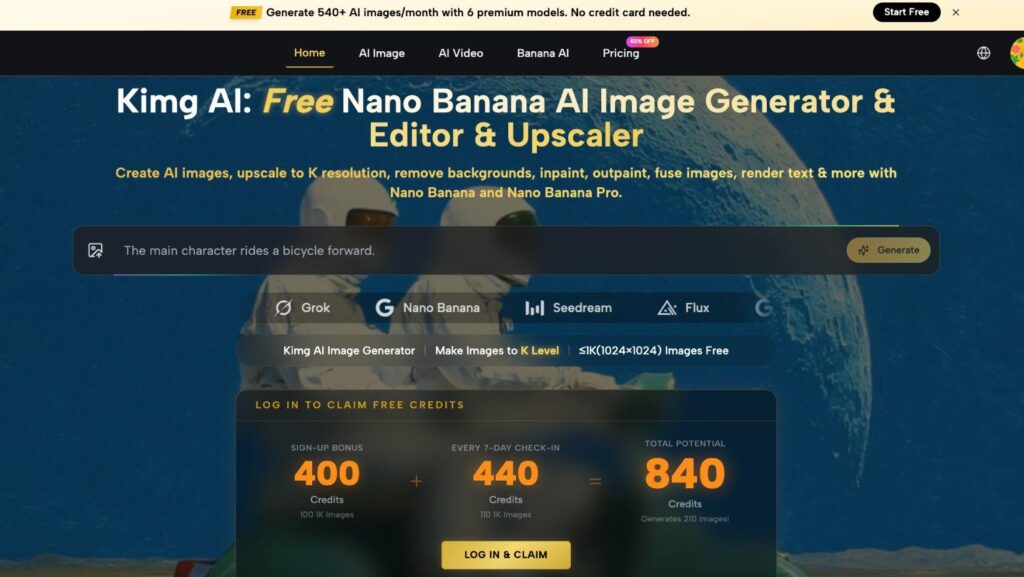
A radio segment, podcast episode, or audio interview begins with sound, not pictures. That is part of its strength. Yet the moment the story moves onto a website, newsletter, social post, or video platform, it usually needs a visual entry point. For small audio teams, producing original photography or motion graphics for every episode may be unrealistic. Tools such as Nano Banana can help create supporting images from prompts or existing references. The goal is not to turn every audio story into a visual production. It is to give listeners a clear reason to stop, understand the topic, and press play.
Choose a Visual Job Before You Choose a Visual Style
The first question should not be “What image looks cool?” It should be “What does this image need to do?”
An episode page may need a clear hero image that introduces the topic. A social post may need a simple visual hook. An interview may need a respectful portrait treatment. A cultural story may need an atmospheric illustration when no usable photograph exists.
These are different jobs. A dramatic abstract image might work for an audio essay about memory but fail for an interview with a local organizer because the audience needs to recognize the person.
Write one sentence before generating: “This visual should help the listener understand ______.” Fill the blank with the guest, place, issue, mood, or central question. That sentence becomes a filter for every later design choice and prevents visuals from competing with the story they are meant to support.
Three Visual Formats Work Especially Well for Audio Stories
Audio-first creators do not need a full set of graphics for every piece. A few repeatable formats can cover most publishing needs while leaving the spoken story at the center.
1. The Episode Anchor Image
This is the main image attached to the episode or article. It should communicate the subject without requiring a long caption.
For an interview, an approved portrait may already provide the strongest source. For a story about a place, a location photo or carefully described scene may work better. If no suitable image exists, a prompt can create an illustrative concept. Keep the composition simple enough to remain readable at thumbnail size. One strong subject usually works better than a scene filled with symbolic objects.
2. The Context Illustration
Some audio topics are difficult to photograph. A historical explanation, technology discussion, environmental scenario, or imagined future may need a visual that explains context rather than documents an event.
This is where generated imagery can be useful, provided the audience is not encouraged to mistake an illustration for evidence. The visual can show an atmosphere, process, or conceptual setting while the audio carries the factual detail. For sensitive stories, avoid photorealistic reconstructions of events that could be interpreted as authentic photographs.
3. The Motion Teaser
A strong still can sometimes support a short moving teaser. Kimg AI publicly offers image-to-video generation after image creation, allowing a static image to become an animated clip.
Keep the movement restrained. A slow camera push, subtle environmental movement, or gentle lighting change can give the visual presence without trying to summarize an entire interview. The sound or spoken excerpt should remain the reason people continue listening.
Use Existing Photos When Identity or Place Matters
Generated imagery is not always the best starting point. If the episode is about a real person, community, event, or location, an existing photograph can carry information that a fictional image cannot.
Kimg AI says its Nano Banana tools can transform existing photos while preserving key structural elements. With Nano Banana AI, an audio team can begin from an approved source and request a limited visual change instead of inventing the subject from scratch.
For example, a guest portrait taken in a cluttered room might be adapted with a simpler background while keeping the person recognizable. A photo from a field report could be reformatted into a cleaner promotional composition without changing the central subject.
The important rule is to protect documentary meaning. If a visual edit changes the place, clothing, objects, or atmosphere in a way that affects how the story is understood, the new image should be treated as an illustration rather than an untouched record.
Let Reference Images Carry Culture and Detail More Carefully
Global audio stories often involve visual details that are easy to describe poorly: local architecture, clothing, instruments, landscape, craft, or interior spaces. Generic prompting can flatten those differences into stereotypes.
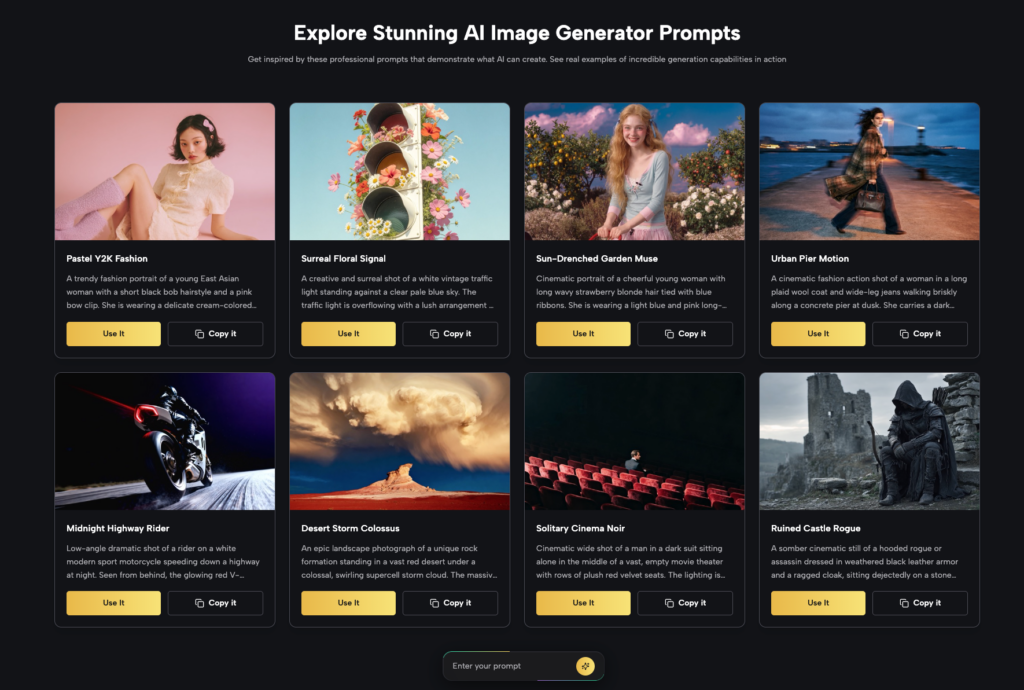
Reference images can reduce that problem when you have appropriate material to work from. Kimg AI states that Nano Banana and Nano Banana Pro support up to four reference images. One reference might establish the main person, while another shows the relevant environment or visual style.
That does not remove the need for judgment. A model can still combine details incorrectly. The creator should check whether clothing, symbols, objects, and settings make sense together.
Use specific instructions about each reference. “Use image one for the building shape and image two for the evening lighting” is more controlled than “combine these.” When a story crosses cultures or regions, accuracy matters more than visual novelty. If you cannot verify an important detail, choose a simpler visual rather than inventing confidence.
Build a Repeatable Visual Routine for Recurring Shows
A weekly or monthly program benefits from consistency, but consistency does not require identical artwork. It requires a few decisions that remain stable from episode to episode.
For example, keep the same general framing for guest portraits, the same level of realism, and a similar amount of background detail. Change the location cue, topic object, or mood according to each story. That gives listeners a recognizable series without making every episode look copied.
A small reference sheet can help:
- What must remain consistent across the show?
- Which elements may change for each episode?
- When should the team use a real photo instead of a generated concept?
- Which kinds of generated scenes require an illustration label?
- What details must someone verify before publishing?
This routine is more useful than chasing a new style every week. It reduces decisions, makes review faster, and keeps the visual side from consuming the time needed for reporting, recording, and editing audio.
Review the Visual With the Sound Turned Off
Before publishing, look at the image or teaser without the episode title, description, or audio. What would a stranger assume happened?
This is a useful test because generated visuals can make implications that the script never makes. A tense-looking crowd can make a routine public meeting appear confrontational. Dark storm clouds can make an environmental story feel like a disaster report. A futuristic skyline can make a technology discussion appear speculative even when it concerns current systems.
Check whether the visual matches the tone and factual status of the story. Then inspect identity, text, flags, maps, instruments, cultural objects, and other recognizable details.
For motion teasers, mute the clip and watch it once. If the movement creates a different message from the audio, simplify it. Supporting visuals should invite the listener into the story, not rewrite the story before it begins.
Conclusion
Audio-first creators do not need to become full-time visual producers. They need a small set of images that give each story a clear entrance beyond the audio player. Define the visual job first, use real photos when identity or place carries factual meaning, and use generated illustrations when they add context without pretending to document reality. References can help with specific details, while restrained motion can extend a strong still. For your next episode, start with one question: what should a listener understand from the image before hearing a single word?