
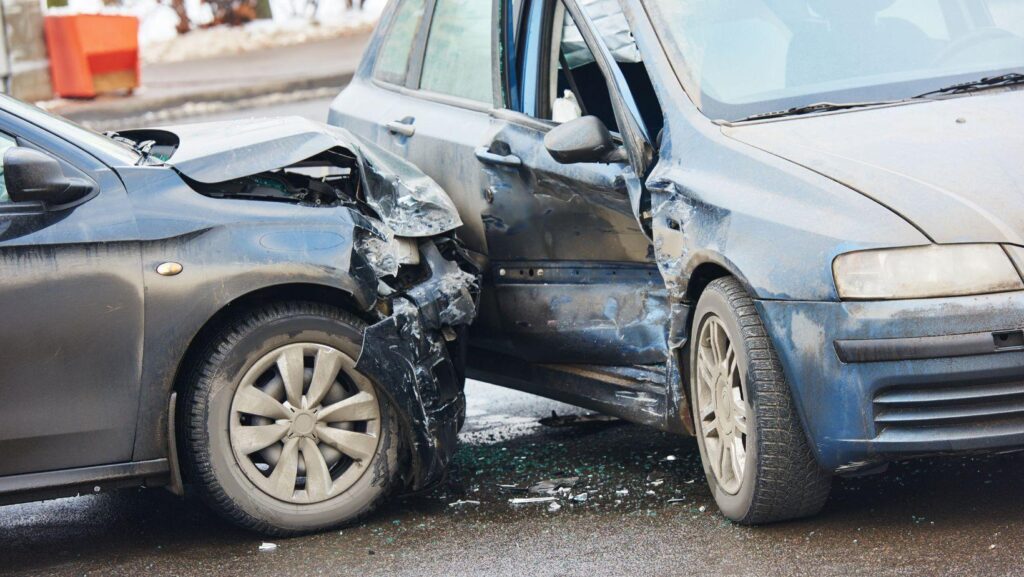
Drunk driving remains a serious problem in the United States. In 2024, 11,904 people were killed in alcohol-impaired driving crashes, accounting for about 30% of all traffic fatalities, according to the National Highway Traffic Safety Administration (NHTSA).
Most commonly, the participants of the crash are responsible and held liable for the car accident. But there are cases when a third party is involved. So is a business liable for a recent drunk-driving crash? And if so, how?
State laws may allow an injured person to pursue a claim against a business in certain situations. These cases are often under what are known as dram shop laws. Here’s how the rules work.
What Dram Shop Liability Actually Covers
A dram shop is simply a business licensed to sell alcohol for on-site consumption. This term can be traced back centuries to when spirits were sold by the dram.
Most states start from the same baseline: a business is not automatically liable just because a customer it served later got behind the wheel while impaired.
Courts in most jurisdictions treat the customer's own decision to drink and then drive as the legal cause of the resulting harm, not the act of pouring the drink. What changes the analysis is evidence that the establishment kept serving someone after that person was visibly, obviously intoxicated.
Why the Details Vary So Much by State
The exact trigger for liability differs depending on the jurisdiction. Some states, including Ohio, hold a licensed business liable for knowingly serving any patron, adult or minor, once that patron is noticeably intoxicated.
Ohio's dram shop statute allows a claim when an employee knowingly served a visibly intoxicated person and that intoxication proximate caused the resulting injury, whether the harm happened on the premises or after the person left and got behind the wheel.
Other states take a much narrower approach. California shields alcohol servers from civil liability for a patron's later conduct, on the theory that consuming the alcohol, not furnishing it, is what causes the resulting harm. The primary exception in California applies to serving an obviously intoxicated minor, not an intoxicated adult, which makes a viable dram shop claim against a business considerably harder to bring there than in a state like Ohio.
A resource from https://www.eastonlawoffices.com/ covering drunk driving accident claims can help explain how California’s narrower legal framework may affect a specific case. In many California crashes, the analysis may focus primarily on the driver’s liability rather than the business that served the alcohol.
Because this variation is so crucial, assuming a rule that applies in one state also applies in another is one of the more common mistakes people make after an alcohol-related crash.
Evidence That Supports a Dram Shop Claim
Where a viable claim exists, proving it comes down to demonstrating that the server knew or should have known the patron was intoxicated at the time alcohol was provided. Courts look at objective signs, including slurred speech, difficulty standing or walking, glassy or bloodshot eyes, and combative or erratic behavior, that a reasonable observer would have noticed.
Blood alcohol concentration evidence from after the crash can help establish that a person's level of impairment was likely severe enough to have been outwardly visible earlier in the evening.
Witness testimony from other patrons and staff, surveillance footage from the establishment, and receipts or point-of-sale records showing how much alcohol was served and over what period of time are the kinds of evidence that tend to make or break these cases.
Because bars and restaurants are not required to preserve surveillance footage indefinitely, evidence in a dram shop case can disappear quickly if a claim is not pursued promptly.
Social Host Liability Is a Related but Separate Question
Dram shop laws apply to licensed businesses, but a number of states also impose some form of liability on private individuals who serve alcohol in a home or other non-commercial setting. This is usually called social host liability, and it tends to be even more restrictive than the rules governing businesses.
Many states that allow dram shop claims against bars and restaurants provide little or no equivalent path against a private host who serves an adult guest, reserving host liability mainly for situations involving underage drinking.
What This Means for an Injury Claim
Because a driver's own insurance is often insufficient to cover serious injuries, identifying whether a business shares responsibility can meaningfully change what compensation is available.
That process depends heavily on where the crash occurred, since the underlying rule can range from fairly permissive to nearly foreclosed depending on the state.
A full understanding of the applicable law makes early legal involvement more valuable in these cases than in a standard car accident claim.