
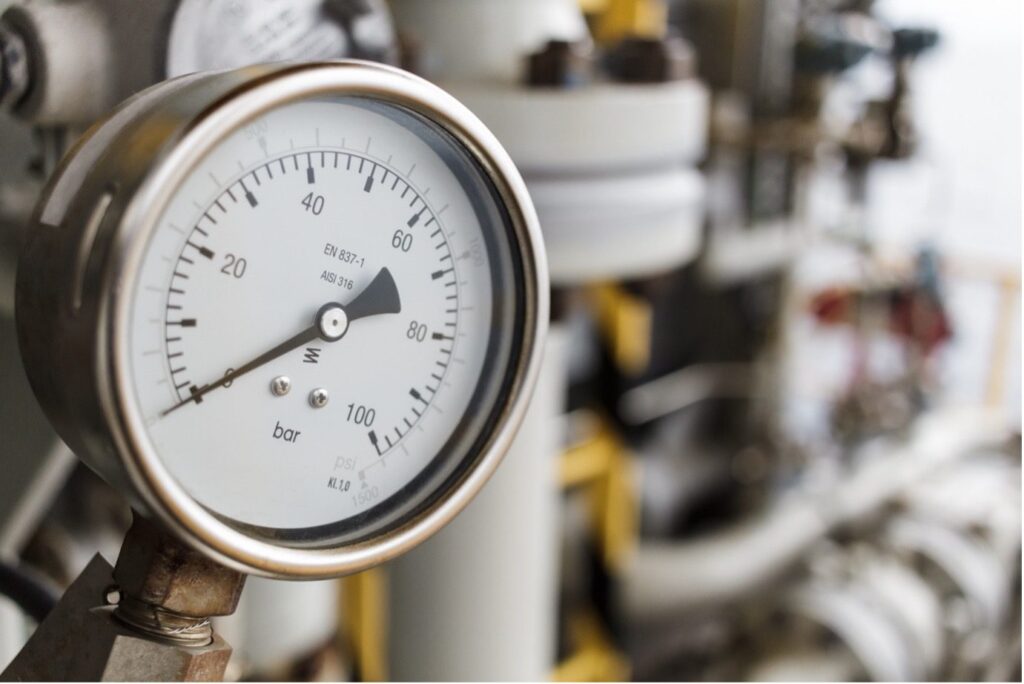
Pressure measurement plays a vital role in many technical and industrial applications. From monitoring airflow in ventilation systems to testing filters, pipelines, and sealed environments, understanding pressure behavior helps ensure efficiency, safety, and performance. In many cases, it is not the absolute pressure that matters most, but the difference between two pressure points.
This is where specialised instruments designed for comparative measurement become essential. By focusing on pressure variation rather than a single value, engineers and technicians gain deeper insight into system conditions and potential issues.
Why Pressure Difference Matters More Than Absolute Pressure
In practical applications, pressure difference often tells a more meaningful story than standalone pressure readings. For example, in HVAC systems, the difference in pressure across a filter indicates whether it is clean or clogged. In fluid systems, pressure drop across a valve or pipe section reveals flow resistance or blockages.
Monitoring pressure differences helps detect inefficiencies early, optimise system performance, and prevent equipment damage. It also supports compliance with safety and operational standards in regulated industries.
The Principle Behind Differential Pressure Measurement
Differential pressure measurement works by comparing two pressure sources simultaneously. Instead of referencing atmospheric pressure, the instrument measures how much higher or lower one pressure point is compared to another.
This comparative approach is especially useful in closed systems where both pressure points fluctuate together. By isolating the difference, technicians can focus on what truly affects system behaviour rather than external influences.
Common Applications Across Industries
Pressure difference measurement is widely used across multiple sectors. In heating, ventilation, and air conditioning systems, it helps monitor airflow, duct performance, and filter condition. In industrial process control, it supports flow measurement, leak detection, and system balancing.
Laboratories rely on pressure differential readings for experiments and calibration work. In cleanrooms and medical facilities, pressure differences are critical for controlling contamination and maintaining sterile environments. Even in environmental testing and research, pressure comparison plays a key role in data accuracy.
Mechanical Simplicity and Reliability
One of the strengths of traditional pressure comparison instruments lies in their mechanical simplicity. With fewer electronic components, these devices are often robust, durable, and resistant to harsh operating conditions. This makes them suitable for environments where reliability is more important than advanced digital features.
Simple designs also make troubleshooting and maintenance easier. Many technicians appreciate tools that deliver consistent results without the need for frequent recalibration or software updates.
Ease of Use and Clear Interpretation
Clear, readable output is essential when working with pressure measurements. Instruments designed for differential measurement typically display results in an intuitive format, allowing users to interpret changes quickly. This is especially important in fieldwork, where rapid decisions may be required.
Ease of use reduces training time and minimises the risk of errors. When operators can quickly understand readings, systems can be adjusted or corrected without delay.
Supporting Preventive Maintenance
Monitoring pressure differences is a powerful preventive maintenance strategy. Gradual changes in readings often signal developing issues such as wear, fouling, or partial blockages. By addressing these early, organisations can avoid unexpected failures and costly downtime.
Preventive maintenance based on pressure data also extends equipment lifespan. Components operate under optimal conditions, reducing stress and improving overall system stability.
Accuracy and Calibration Considerations
Accurate pressure measurement depends on proper calibration and correct installation. Factors such as temperature, orientation, and connection integrity can influence readings. Regular calibration ensures that instruments remain reliable over time, especially in precision-sensitive environments.
Choosing the right measurement range is equally important. Instruments should be matched to the expected pressure differences to ensure both accuracy and readability without overstressing internal components.
Where the Differential Manometer Fits In
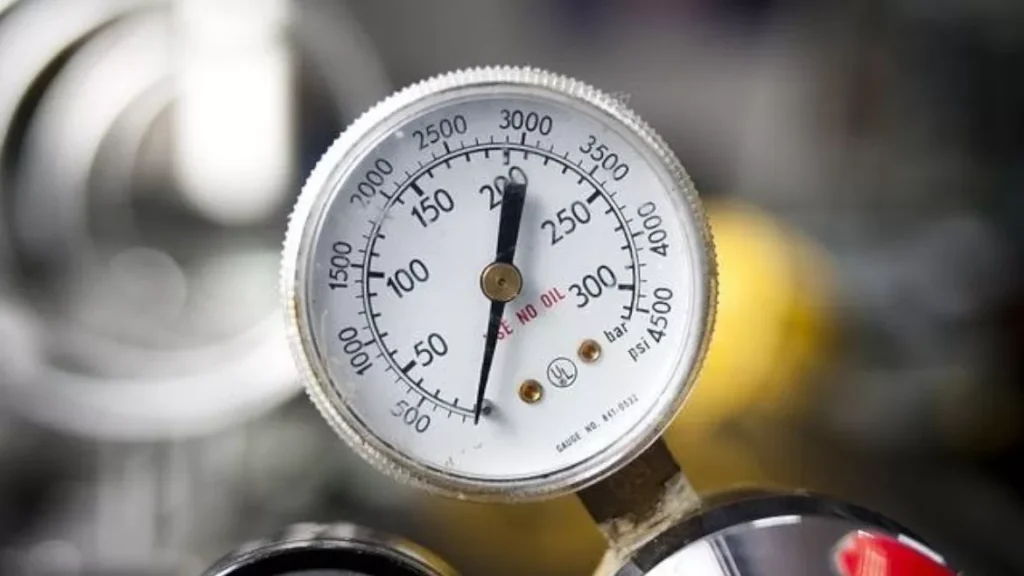
Within the category of pressure measurement tools, the differential manometer is designed specifically to measure the difference between two pressure points with clarity and precision. Its ability to provide direct comparative readings makes it a valuable tool in airflow testing, system diagnostics, and performance monitoring across many applications.
Because it focuses on pressure variation rather than absolute values, it delivers insights that are immediately actionable for technicians and engineers.
Conclusion
Understanding pressure differences is essential for maintaining efficient, safe, and well-balanced systems. Instruments that specialise in comparative measurement provide critical insight into airflow, flow resistance, and system health. Their role extends across industries, supporting everything from routine maintenance to advanced technical analysis.
By using the right tools and interpreting pressure data correctly, professionals can identify problems early, optimise performance, and ensure long-term reliability. In environments where precision and consistency matter, pressure difference measurement remains a cornerstone of effective system management.