
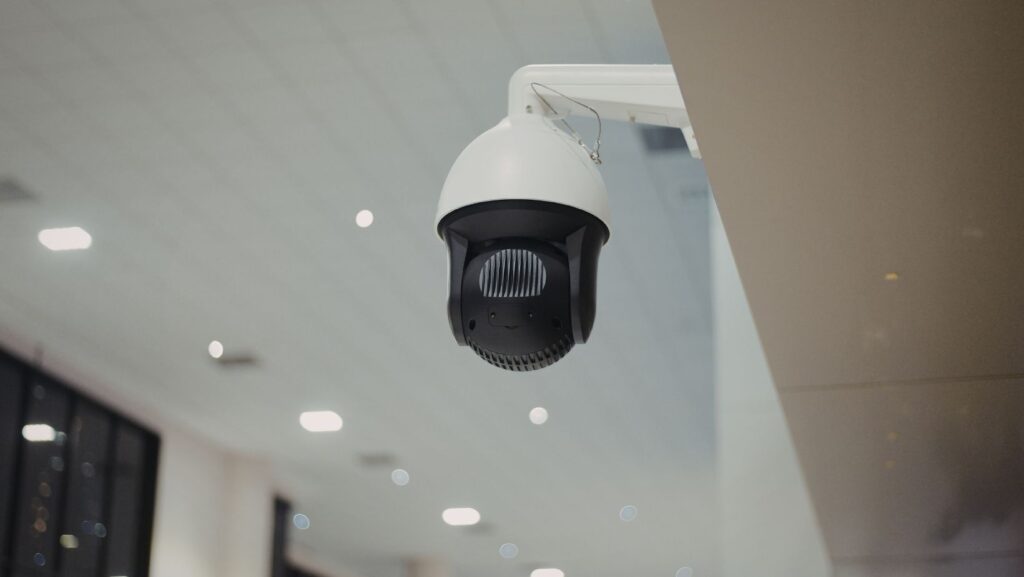
Wireless door contacts ping a server each time they open. Temperature probes report storage-room heat before it climbs past safe limits. Alone, these Internet of Things (IoT) devices talk in data points; paired with a live video monitoring platform, they turn numbers into clear pictures and rapid decisions. At Video Guard, we link sensors, cameras, and cloud logic so teams see and solve trouble as it forms rather than after damage settles.
Why Combine Sensors and Cameras at All?
Text-only alerts leave gaps. A door sensor says “open,” yet cannot confirm who moved through the frame. A camera streams crisp video but sends too many clips to filter on a busy shift. Fusing the two closes that gap:
- Context – A single click shows footage tied to the exact millisecond a freezer warms or a fence gate lifts.
- Speed – Operators skip manual searches, cutting response times when seconds count.
- Credibility – False alarms drop because data must align on two fronts—sensor and visual proof.
Core Building Blocks
- Smart Sensors
Contact strips, motion detectors, vibration nodes, and environmental probes make up the ground layer. Most speak MQTT, Zigbee, or Z-Wave. - IP Cameras
Devices supporting ONVIF or RTSP stream into Video Guard’s secure hub. HD resolution clarifies license plates, lot activity, or badge IDs. - Edge Gateway
A small on-site box receives sensor calls, attaches time stamps, and hands them to the video server with less than 200 ms delay. - Integration Engine
Cloud software maps “if-this-then-show-that” rules. Example: If motion after 10 p.m. and access badge absent, push live feed to guard desk.
Practical Wins for Workplace Teams
Fewer False Trips
Dust or insects can trigger infrared beams around a yard. Pair those beams with video confirmation, and the system ignores motion too small to match a human outline.
Simpler Investigations
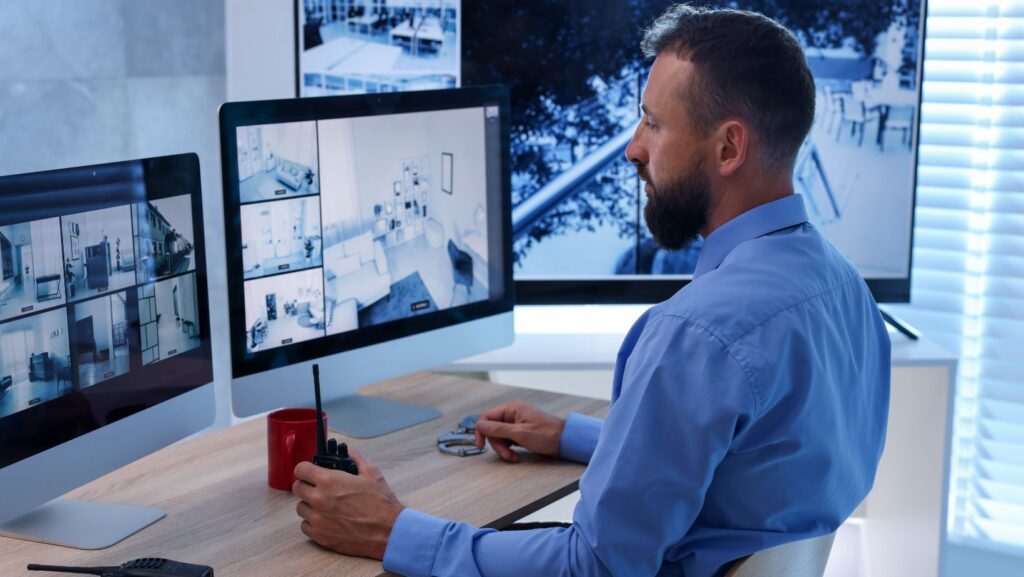
Auditors request proof of chain-of-custody breaches. Staff type the sensor ID, hit search, and pull the matching clip instead of scrubbing hours of footage.
Better Preventive Moves
A cooler at a grocery depot rises two degrees above setpoint at 3 a.m. The sensor pings, the camera shows an ice buildup on the fan. Maintenance heads out before dawn, not after produce spoils.
Lean Staffing
One operator can watch multiple sites when cross-checked alerts cut noise. Guards spend time on real events, not endless motion pings from tree shadows.
Integration Steps That Keep Workflows Smooth
- List Critical Points
Walk the floor. Note exits, assets, and environmental risks. Each point likely needs both a sensor flag and a camera angle. - Check Network Health
Video traffic eats bandwidth. Segment camera and IoT gear on a VLAN, apply QoS, and reserve upstream capacity for peak event spikes. - Pick Open Protocols
Gear using open standards avoids vendor lock. Today you might add CO₂ sensors; tomorrow, smart locks. The same bus should accept both. - Link Rule Logic Early
Build “cause-and-view” pairs while devices ship, not after. Operations staff should preview a mock alert before the system goes live. - Test With Real Scenarios
Prop a door open or heat a sensor with a hair dryer. Confirm alerts, clip length, and operator notes save into the archive.
Security Matters
- Encryption in Motion – Use TLS tunnels for sensor posts and SRTP for camera feeds.
- Keys on a Schedule – Rotate certificates twice a year; replace factory passwords before the first boot.
- Firmware Discipline – Patch cameras and gateways on set dates. A two-minute reboot beats hours lost to breach cleanup.
- Network Segmentation – Keep IoT devices off the corporate LAN. A firewall that blocks east-west traffic slows lateral moves if one node falters.
Field Snapshot: Warehouse Retrofit
A regional parts distributor ran 24/7. Forklift impact often jarred dock doors, tripping legacy motion sensors every night. Guards grew numb, letting a real break-in slip through and cost thousands in tools. Video Guard installed vibration sensors on the doors, linked them to PTZ cameras, and trained software on force thresholds. Within a week, nuisance alarms fell 90 percent. When a genuine strike hit door three, the system auto-slewed the camera, recorded the license plate, and messaged police with a clip—all before the intruder left the lot.
Counting the Return
- Insurance premiums – Some carriers lower rates when sensor-video tie-ins cut claims.
- Payroll – One guard can now cover two satellite yards.
- Uptime – Early leak detection saved a server room from water damage last spring, preventing a full-day outage.
Looking Ahead
Future firmware will push light analytics to the edge box—face match for banned visitors, object left behind alerts, occupancy counts for fire code reports. Each upgrade lands by software, not forklift, so the hardware you install this quarter stays current.
Closing Thought
Data on its own whispers. Video on its own shouts. Tie them together, and you hear a clear, timely signal that drives action. Integrating IoT sensors with live video monitoring brings that clarity to every corridor, yard, and server rack you guard. For teams ready to silence false alarms and sharpen real-time response, the path starts with a floor walk, an integration plan, and hardware that speaks an open language—steps Video Guard handles daily so you stay focused on core work, not blinking alerts.