
Sustainable gardening often begins with everyday decisions. One of those decisions involves choosing the right containers for plants. Many gardeners rely on plastic pots, including those made from PVC, because they’re easy to use and widely available. Still, questions remain about whether these planters truly support long-term sustainability. Looking at how PVC planters are made, used, and reused helps bring clarity to the discussion.
PVC Planters Can Be Responsible Because They Last a Long Time
Many homeowners choose PVC planters because of their durability over other materials. They hold their shape well and don’t rot or weaken when exposed to moisture. This long lifespan plays an important role in sustainability.
Planters that last longer reduce the need for replacements. Wooden containers may need repairs, and clay pots often crack after a few seasons. PVC planters usually remain usable year after year, even when placed on a front porch or exposed to strong sunlight. Many also come with built-in drainage holes, which help prevent root rot and support healthier plant growth. Using one planter for many seasons helps limit waste and material use.
PVC Planters Raise Concerns Because of How They’re Made
The way PVC is produced raises environmental concerns. PVC comes from fossil fuels and requires chemical processing. This process can create pollution if it’s not carefully managed.
These concerns focus on manufacturing rather than daily garden use. Once a PVC planter is in place, it doesn’t release emissions or require added treatments. Still, environmentally conscious gardeners often weigh this production impact when deciding between PVC and other options. This is why PVC planters continue to receive mixed reactions in sustainability discussions.
PVC Planters Are Usually Safe When Made for Gardening
Many gardeners worry about how PVC affects soil and plants. In most cases, PVC planters designed for gardening are safe to use. Manufacturers typically treat them to limit chemical transfer under normal conditions.
Problems may occur when repurposed materials are used. PVC pipe planters not intended for soil contact may contain additives that don’t belong near edible plants. Choosing planters made specifically for gardening reduces this risk. Quality planters also support consistent soil moisture, especially when paired with a soil moisture indicator. This helps gardeners know when to water and when to wait.
PVC Planters Can Be Responsible If They’re Reused Properly
PVC doesn’t break down naturally, which makes disposal an important issue. Recycling options vary, and not all facilities accept PVC. Because of this, reuse becomes essential.
PVC planters work well for reuse in many forms. Gardeners often repurpose them as wall planters, hanging baskets, or containers for herbs on window sills. Some are used for large indoor plants because they’re lightweight and easy to move. Others turn older planters into storage bins or tool holders. Each reuse extends the planter’s life and reduces waste.
PVC Planters Aren’t Always Worse Than Other Planter Materials
No planter material comes without trade-offs. Clay planters use natural materials but require high heat during production. Wooden planters often rely on chemical treatments to resist moisture and pests.
Fabric grow bags wear out quickly and usually include synthetic fibers. Metal planters involve mining and heavy processing. PVC planters sit somewhere in between. While they aren’t biodegradable, they last longer than many alternatives. When used over many years, they can result in less overall waste than short-lived options.
PVC Planters Make Sense in Certain Gardening Situations
Some gardening spaces benefit from lightweight and flexible containers. Balconies, patios, and window sills often can’t support heavy planters. PVC planters fit well in these settings because they’re easy to move and don’t strain surfaces.
They also work well for self-watering pots, which help maintain steady moisture levels. This feature supports healthy growth while reducing water waste. In shared spaces like schools or community gardens, durable PVC planters reduce the need for frequent replacements. Practical use often supports sustainability when it lowers repeated consumption.
PVC Planters Become More Responsible With Smart Buying Choices
Not all PVC planters are created equal. High-quality options last longer and perform better. Cheaper versions may crack or fade quickly, which leads to early disposal.
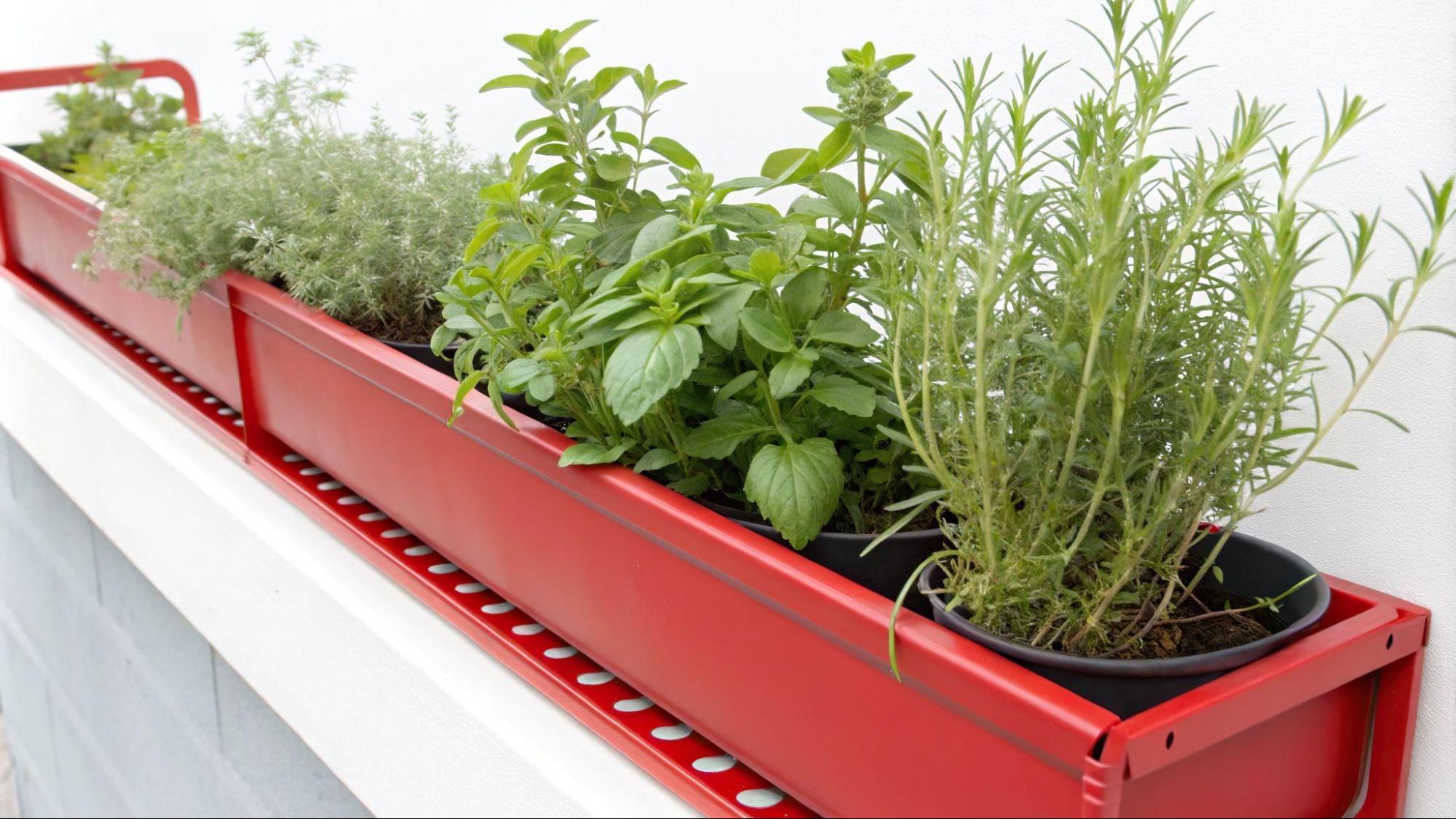
Choosing planters with proper drainage holes supports healthier roots and prevents water buildup. Lighter colors help reflect heat, which protects roots during warmer months. Supporting brands that use recycled materials or safer production methods also helps. Pairing PVC planters with good practices, such as proper plant food use and mindful watering, further improves sustainability.
Conclusion
PVC planters can be a responsible option for sustainable gardening when used thoughtfully. Their durability reduces the need for constant replacements, which helps limit waste. At the same time, concerns around production and disposal remain valid. When gardeners choose quality planters and reuse them creatively, PVC can fit into a sustainable garden setup. Responsible gardening depends on informed choices rather than one perfect material.