

Cities are entering a new chapter in which public spaces are no longer treated as mere gathering points but as active social engines that help people reconnect. Many global planning teams report that isolation has risen steadily over the past decade, and surveys from urban research groups show that nearly 30% of adults feel they lack meaningful daily interaction. This shift has encouraged designers to rethink how people meet, pause, and share moments in open environments. Public space design has become a tool for emotional health, community energy, and cultural expression.
As this movement grows, many places around the world are reshaping parks, plazas, waterfronts, and transit hubs with a stronger emphasis on human behaviour. Small placements, such as how far benches are from one another or how shaded areas are arranged, begin to influence how comfortable people feel about initiating conversation. In many cities, open-air dining setups with quality restaurant chairs and tables have also become part of this shift, creating small, welcoming pockets where people naturally slow down and interact. Global cities have discovered that design can encourage connection without forcing it, offering gentle nudges toward interaction in ways that feel natural. This evolution is visible from Seoul’s elevated parks to Barcelona’s redesigned boulevards, where layout and flow make socialisation easier and more enjoyable.
Spaces Designed to Encourage Natural Encounters
One of the most notable trends is the rise of micro interaction zones, small pockets within larger environments that support spontaneous conversation. These areas offer seating clusters, movable chairs, and semi-private corners that let people adjust their space. Movable seating has seen a dramatic increase in adoption, with some European cities reporting usage spikes of more than 40% after installation. This flexibility allows visitors to create the environment they need, which often leads to more relaxed and genuine social moments.
A second trend involves improving visual comfort, something cities once underestimated. Soft lighting, warmer materials, and subtle greenery guide people into a shared mood. Observational studies conducted across several Asian metro regions show that foot traffic increases where visual warmth is present. This pattern reveals an important truth. Comfort attracts people, and people attract interaction. Designers now aim to make public spaces feel like extended living rooms where visitors naturally linger.
The Role of Seating, Layout, and Human Behaviour
Much of the global redesign focuses on seating arrangements and how they shape social behaviour. Circular and semi-circular seating layouts are becoming more common because they naturally open lines of sight. When people can see one another without feeling pressured, social engagement rises. In many cities, these layouts have been placed in areas with high dwell times, such as waterfront promenades, cultural districts, and urban markets.
- Circular seating encourages micro-group formation.
- Movable chairs allow visitors to customise their comfort.
- Mixed height seating accommodates varied mobility needs.
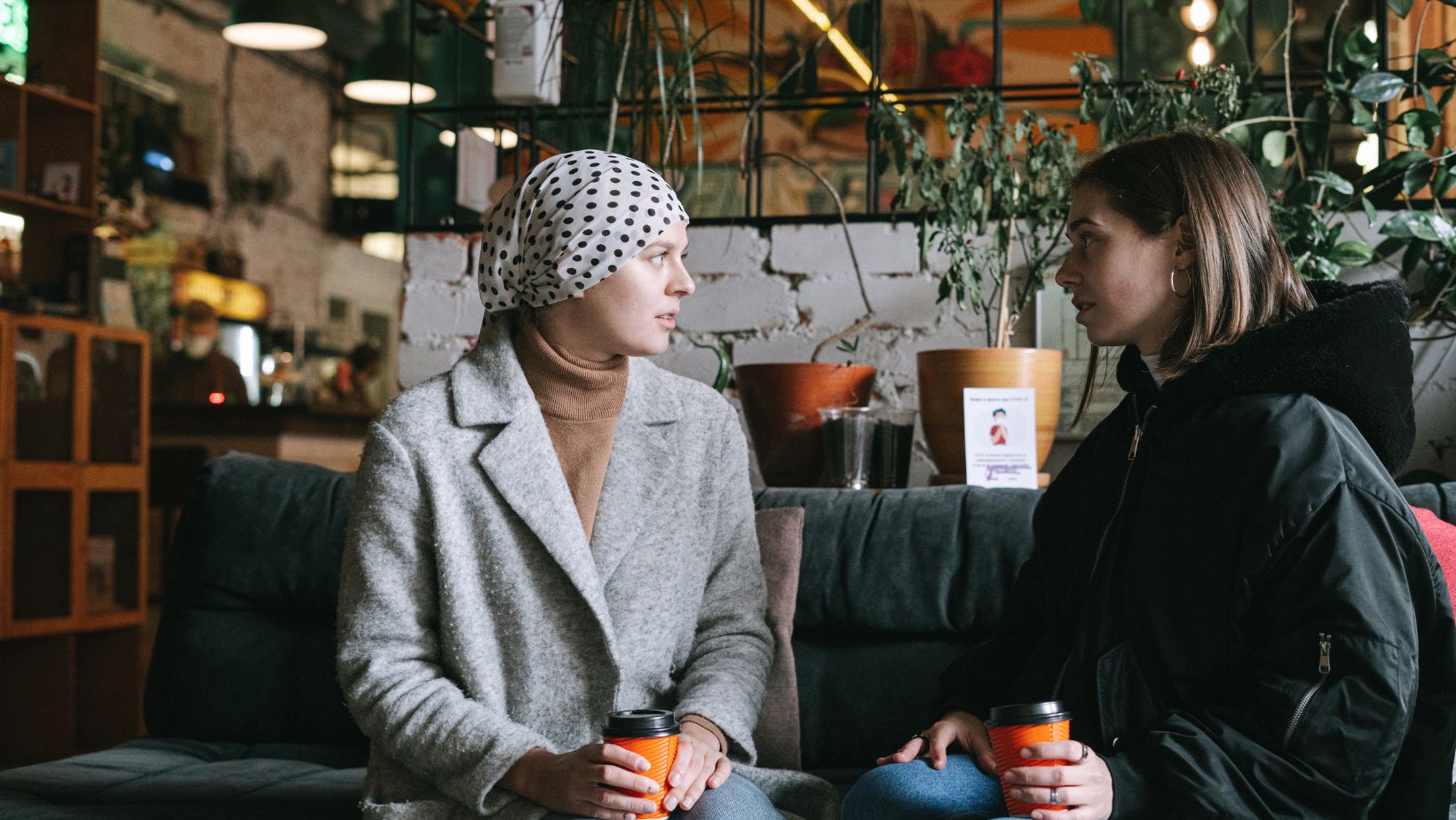 Designers are also examining how movement influences willingness to connect. Slow walking paths, textured surfaces, and wider pedestrian lanes all contribute to a calmer pace. Research shows that when walking speed decreases by even ten percent, people become more aware of their surroundings and more open to conversation. Layouts that guide movement without strict boundaries create a gentle rhythm, reducing stress while increasing the potential for social exchange.
Technology’s New Supportive Role in Public Interaction
Digital integration is becoming a key element, not to dominate the environment but to enhance connection. Interactive screens, community boards, and app-linked installations help visitors participate in shared activities. Cities in North America and Europe are experimenting with live poll stations and projection art that respond to group participation. These features transform public spaces into collaborative zones where people collectively shape the experience.
Soundscaping has also grown in use. Carefully designed audio environments can subtly shape mood. Studies from acoustic design groups show that natural sounds, such as soft water or distant bird calls, reduce stress markers among users of public spaces. When people feel more at ease, they become more receptive to others around them. Technology is shifting toward this emotional support role rather than pure novelty.
- Soundscapes reduce stress and support more extended visits.
- Interactive boards create shared participation moments.
Cultural Identity as a Bridge for Social Bonding
Public spaces now frequently draw on cultural storytelling to create connection. Cities with diverse populations use murals, sculptures, and cultural signage to honour local identity. These elements serve as both conversation starters and markers of shared pride. Places like Mexico City, Copenhagen, and Cape Town have built culturally expressive corridors that welcome visitors into a sense of belonging, even if they are just passing through.
Events also contribute significantly. Pop-upp performances, small markets, and community workshops have become central tools for encouraging interaction. Studies from international cultural organisations show that attendance rises sharply when events are hyperlocal, rooted in the immediate community rather than large commercial productions. People connect best when the environment reflects their own experiences and traditions.
A Connected Tomorrow: What Cities Are Moving Toward
Cities are beginning to treat public space as an emotional necessity rather than an optional infrastructure. As loneliness continues to affect global populations, design becomes a robust response. Public spaces that feel alive, comforting, and socially open help restore the sense of community many people think they lost. The next stage of design will lean further into flexible seating, natural textures, and culturally meaningful installations, creating outdoor environments that feel welcoming and supportive.
Many urban planners believe that by 2030, most major cities will commit to new social connection standards in public development. These standards will prioritise emotional well-being, accessibility for all ages, and more opportunities for strangers to interact comfortably. Public spaces are becoming the world’s shared living rooms, places where people of different backgrounds can enjoy simple moments together.
Cities are discovering that connection does not happen by chance; it happens by design.