
Buying a home is a major goal for many people, but saving for a down payment can slow the process. Some feel discouraged when they see how long it may take to gather thousands of dollars before even starting. The good news is that certain loan programs allow buyers to purchase a home with little or no upfront payment. These options help qualified buyers move forward sooner, as long as they understand how the process works.
This guide explains the key points to know.
What “No Down Payment” Really Means
A no-down-payment mortgage lets buyers purchase a home without paying a percentage of the sales price upfront. This can help those with steady income but limited savings. However, it doesn’t mean buying a home and making it your primary residence comes without costs. Buyers still have closing expenses, inspections, and other fees that come with a loan type.
Monthly payments may also be higher. Since no money is paid upfront, the total loan amount increases. This is why buyers should understand how the payment fits into their budget before applying.
Zero-Down Programs Available Today
Only a few major loan programs offer a true zero-down option. Each has requirements that must be met before loan approval. Buyers who qualify should explore these programs as early as possible, especially if a VA home loan may apply to their situation, since this benefit can open the door to homeownership much sooner.
USDA Loans for Rural and Suburban Areas
USDA loans support buyers who plan to live in rural or certain suburban communities. These loans require no down payment and often have lower interest rates. Income limits apply since the program is meant for households that need financial support.
Many areas that seem suburban still qualify. For example, a neighborhood on the outskirts of a small city may fall within USDA boundaries, giving buyers access to a no-down-payment loan.
VA Loans for Military Members and Veterans
VA loans are available to eligible service members, veterans, and certain spouses. These loans require no down payment and do not require private mortgage insurance. This can reduce the monthly cost of owning a home.
VA loans also offer flexible credit rules and competitive interest rates. This helps military families move into stable housing without needing years of savings.
Low-Down-Payment Alternatives
Not everyone qualifies for USDA or VA loans. In those cases, low-down-payment programs make homeownership more reachable.
FHA Loans
FHA loans allow buyers to put down as little as 3.5%. These loans work well for first-time buyers or those still building credit. While FHA loans do require mortgage insurance, they make purchasing a home possible much earlier than saving a traditional 20%.
Conventional Loans With Reduced Down Payments
Some lenders offer conventional loans with down payments as low as 3%. These often require higher credit scores but can lead to lower long-term costs. They also allow buyers to remove mortgage insurance once enough equity is built.
Pros of Purchasing With No Down Payment
Buying with no down payment offers several clear benefits for qualified buyers.
Faster Path to Homeownership
Saving thousands for a down payment can take years. Zero-down loans remove this barrier and help buyers move forward sooner, especially in markets where home prices rise quickly.
Savings Remain Available for Other Needs
Without a down payment, buyers can keep their savings for emergencies, moving costs, early repairs, or even green home upgrades like solar power systems. This extra cushion can reduce stress after moving in.
Cons and Risks to Consider
Zero-down or low-down-payment loans come with important trade-offs buyers should review.
Higher Monthly Payments
A larger loan balance leads to higher payments each month. Buyers should make sure the cost fits comfortably into their budget.
More Interest Paid Over Time
Since the loan amount is higher, the total interest paid over the life of the mortgage is also higher. Even a small increase in the loan amount can add up over several years.
Added Fees or Insurance Requirements
Some programs require mortgage insurance or other fees that increase the overall cost. For example, USDA and FHA loans each include additional insurance-related expenses.
How to Improve the Chances of Approval
Buyers who want to qualify for no-down-payment or low-down-payment loans should strengthen key areas of their financial profile.
Raise the Credit Score
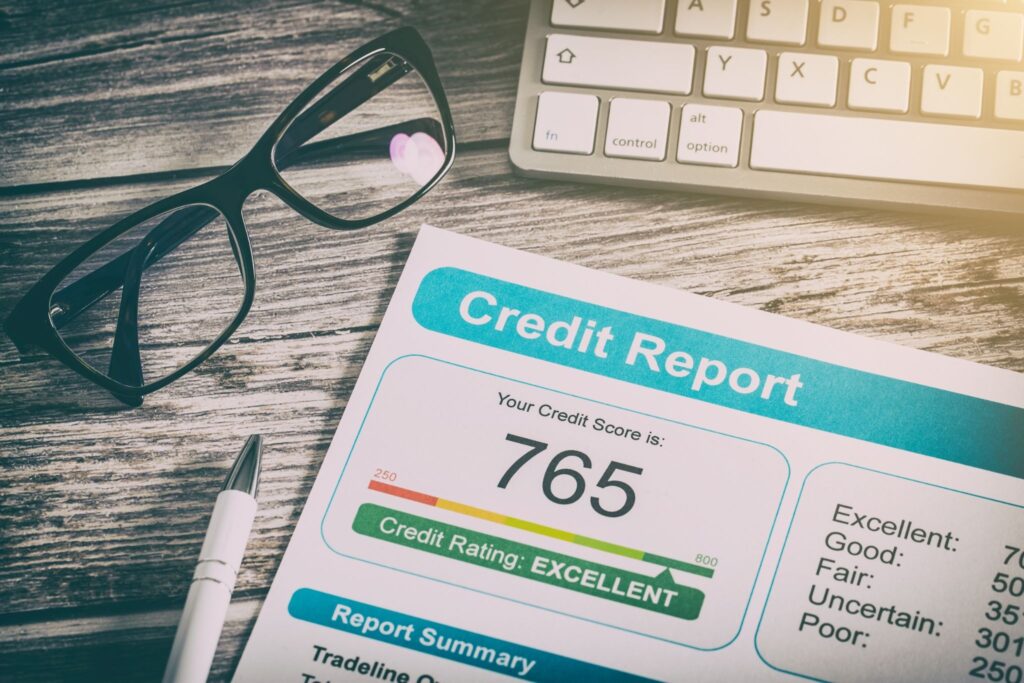
A higher credit score often leads to better interest rates. Simple steps—such as paying bills on time and keeping credit card balances low—can lead to noticeable improvements.
Lower Existing Debt
Lenders review the debt-to-income ratio to judge whether a buyer can afford monthly payments. Paying down credit cards or loans can improve this number and increase approval odds.
Prepare for Upfront Costs
Even zero-down loans come with closing costs and inspection fees. Setting aside some money helps avoid financial strain during the final steps of the purchase.
Is a No-Down-Payment Loan Right for Every Buyer?
These loans work well for buyers who have reliable income but limited savings. They also benefit those who qualify through military service or who plan to live in eligible rural areas. However, buyers must consider the long-term cost. Lower upfront expenses may be appealing, but higher monthly payments and added fees can affect future financial goals.
Thinking through these factors helps ensure the choice supports long-term stability—not just the immediate desire to purchase a home.
Conclusion
Buying a home with no down payment is possible through programs like USDA and VA loans, while FHA and low-down-payment conventional loans offer additional support. Understanding the benefits and risks helps buyers choose the best path for their situation. With proper planning, even those with limited savings can take steps toward owning a home. Learning how each option works leads to clearer decisions. With the right preparation, the journey to homeownership becomes far more manageable.