

Tools sit at the center of daily operations for many trades and service-based businesses. They support schedules, quality, and client commitments. When equipment is lost, damaged, or stolen, even a short delay can affect income and credibility.
Some risks cannot be avoided, but their financial impact can be controlled. Tool insurance exists to reduce disruption when unexpected events occur. It helps turn sudden setbacks into manageable costs instead of major interruptions.
Understanding how this coverage works gives you clearer control over your operations and long-term stability. Read on to see what tool insurance covers and why it remains essential for protecting both your tools and your ability to keep working.
Protection Against Theft and Loss
Theft remains one of the most common risks facing tradespeople, especially when tools move between sites or stay stored in vehicles. Coverage in this area focuses on real working conditions where tools are exposed outside fixed premises. Below are the key forms of protection that address these risks directly.
The following are some theft-related protections included under this coverage:
Job site and storage theft coverage
Policies under tools and equipment insurance often include theft coverage for tools taken from active job sites, locked containers, or temporary storage areas used during ongoing work. This applies to tools theft incidents that occur during working hours, overnight, or between shifts, even when reasonable security measures such as locked gates or containers are in place. Coverage is designed for environments where tools must remain on-site rather than returned to a permanent location after each job.
Vehicle-based and in-transit protection
Tools stored in vans or transported between locations face higher exposure. Coverage such as tools in transit cover and van-tool insurance applies when tools are stolen from vehicles or go missing while moving between sites.
For tradespeople who rely on vehicles daily, working with a firm that specializes in tool insurance for tools of trade helps align protection with travel patterns and storage habits. This often works alongside commercial auto insurance without overlapping responsibilities.
Claims support and ownership validation
Theft claims rely on clear records to establish ownership and replacement value. Insurers commonly request a police report and proof of purchase to verify when and how the loss occurred. This documentation links theft claims to property insurance and business personal property coverage. It helps insurers assess losses accurately and move claims forward without delays or disputes.
Strong theft protection reduces the financial impact of sudden loss and supports faster recovery when equipment disappears. With clear coverage terms and proper documentation, stolen tools do not have to turn into prolonged work delays or unplanned expenses.
Coverage for Accidental Damage
Accidental damage can take tools out of service without warning, even during routine use. This type of coverage focuses on physical damage that affects safety, performance, or usability.
To address these situations clearly, here are some forms of protection included under accidental damage coverage:
Impact, drop, and mechanical failure damage
Accidental damage coverage applies when tools are dropped, struck, or damaged during normal operation. This includes failures linked to mechanical breakdown that are not caused by wear and tear. Coverage helps repair or replace tools that can no longer function as intended.
Fire, water, and environmental exposure
Tools may be damaged by fire-related damage, flooding, or exposure tied to natural disasters while on-site or in storage. Accidental damage coverage accounts for these events when tools become unsafe or permanently unusable, even if the incident occurs outside active work hours.
Valuation and inventory protection
Claims under accidental damage coverage depend on how tools are valued. Insurers may assess losses using actual cash value or replacement cost, subject to stated coverage limits. This approach supports inventory protection by ensuring damaged tools are accounted for and replaced according to policy terms.
Accidental damage coverage helps maintain safe working conditions and reduces delays caused by unusable equipment. With clear valuation and defined limits, damaged tools can be addressed without disrupting ongoing work.
Business Continuity and Work Stability
Business continuity depends on how quickly essential equipment can be restored after an incident. For a small business, delays caused by missing or damaged tools can affect schedules, staffing, and client commitments. Coverage under tools and equipment insurance helps reduce downtime by supporting faster replacement when tools are taken out of service.
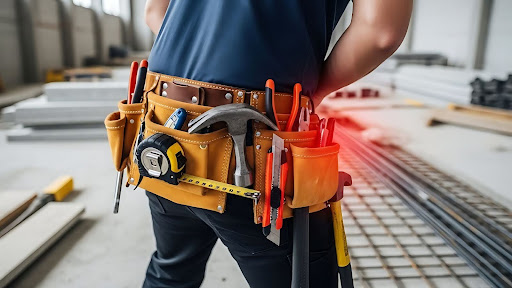
Beyond immediate replacement, continuity also relies on how coverage fits day-to-day operations. Policies written under contractors equipment insurance are structured around how contractor’s tools of the trade are used across job sites. This alignment helps manage industry risk without disrupting ongoing work.
Over time, consistent coverage plays a role in long-term stability. Maintaining a clean claims history within broader business insurance or trade insurance programs can support smoother renewals and predictable costs. This allows work to continue with fewer interruptions tied to insurance uncertainty.
Financial Risk Control for High-value Tools
High-value tools require a different approach to cost management because replacement expenses can disrupt long-term financial planning. Many modern tools now include software or digital components, which play a crucial role in the digital world of operations and data tracking. Insurance helps spread these costs across predictable payments, reducing exposure to sudden capital strain.
In addition, coverage decisions influence how financial resources are distributed across operations. When costly tools are protected, funds remain available for staffing, materials, or planned upgrades rather than emergency purchases. This keeps financial decisions tied to operational priorities instead of unexpected losses.
Consistent risk control also supports financial stability across multiple projects. Insurance absorbs the impact of infrequent but expensive incidents that could otherwise pressure cash reserves. This allows high-value tools to be used without introducing avoidable financial stress.
Final Thoughts
Tool insurance provides practical protection for theft, damage, and unexpected loss. It supports uninterrupted work and reduces financial strain tied to replacing essential equipment. For professionals who rely on their tools every day, this coverage serves as a safeguard that protects both productivity and long-term stability.