
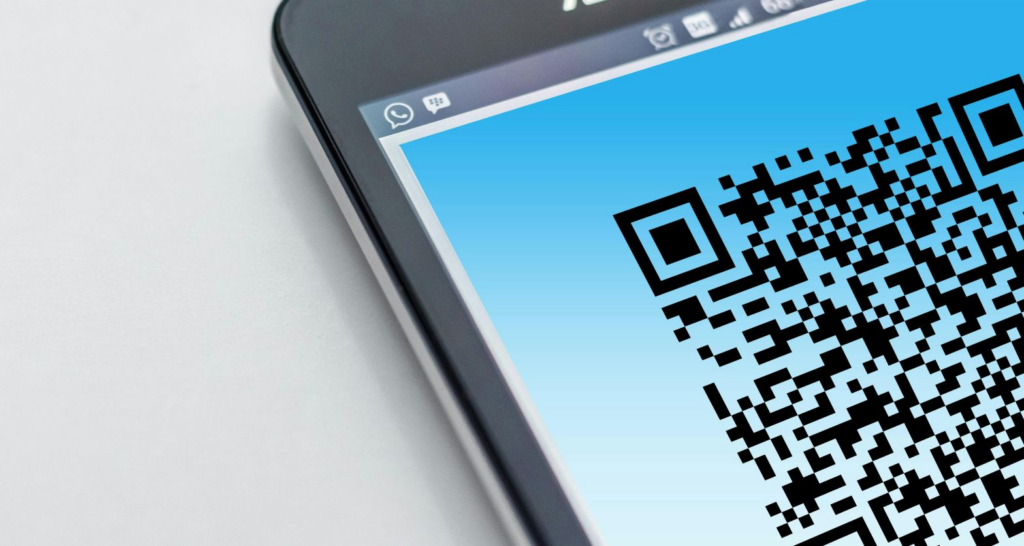
A Quick Response code, that small pattern containing unique black and white spaces, is doing a lot of heavy lifting in our everyday lives. You’ve probably scanned one without thinking twice—on a menu, a poster, or a parcel at your doorstep. These symbols provide flexible and efficient way to connect physical and digital interactions in seconds. Users can immediately access a link or any type of information just by scanning them.
As communication becomes more instant and mobile-first, QR codes have quietly become essential tools across industries. From payments to promotions, they bridge gaps between offline materials and online experiences in ways that feel seamless for businesses and everyday users.
Understanding the Basics of QR Codes
At its core, a QR code is a two-dimensional barcode designed to store information that can be read quickly by a mobile device. Unlike traditional 2D barcodes such as a data matrix, they can hold more data and are easier to scan from different angles.
Each code is built using a structured layout that includes:
- Finder patterns in three corners, helping scanning software detect orientation.
- An alignment pattern to ensure accuracy when the code is distorted.
- A surrounding quiet zone that separates the code from other elements.
- Embedded data modules that store the actual information.
- Supporting elements like format information, version information, and a mask pattern that optimize readability.
Behind the scenes, data encoding and error correction level settings ensure the code remains readable even if partially damaged. That’s part of what made QR code development by Denso Wave so impactful; it prioritized speed, reliability, and versatility.
Turning Physical Materials Into Digital Touchpoints
Getting people to act quickly is a serious challenge in digital communication. Typing long links or saving contact details manually creates friction, and this is where QR codes shine.
Adding a QR code on business card eliminates that friction entirely. Instead of hoping someone will remember to follow up, you let them scan and instantly access your contact details, portfolio, or a lead capture form. It’s a simple upgrade that improves response rates and keeps interactions smooth.
The same idea applies across printed materials. QR codes turn static content into interactive entry points to digital spaces. This holds whether you’re making flyers, product packaging, or event posters.
Where QR Codes Show Up in Everyday Communication
QR codes function as a data carrier for machine-readable data, making communication faster and more efficient across contexts.
Here are a few practical uses:
- Marketing campaigns: Direct users to a landing page, promotional video, or video QR code without requiring manual input.
- Event ticketing: Enable seamless check-ins with contactless attendance and quick access to event details.
- Retail and packaging: Provide product information through smart packaging, often used by luxury brands to enhance authenticity.
- Navigation: Link directly to Google Maps for location-based directions.
- Social engagement: Use social media QR codes to grow followers instantly.
These examples show how QR codes simplify interactions by removing extra steps, making it easier for you to move from interest to action in just a few seconds. Each use case likewise improves accessibility.
Payments and Contactless Transactions
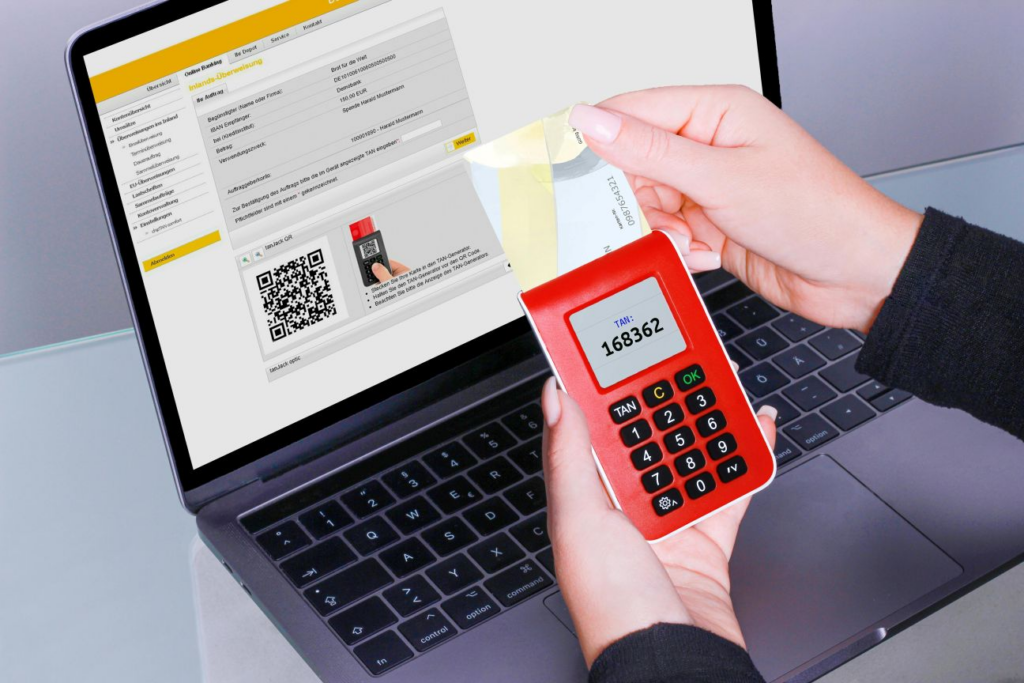
Scanning a code to complete a purchase has become one of the most widely used digital payment solutions, especially in regions where mobile-first services dominate. With a quick scan using a QR code scanner, users can initiate mobile payment processes or complete contactless payment transactions without cash or cards. This convenience has reshaped how businesses handle transactions, from street vendors to large retailers.
It also speeds up service. Instead of waiting in line or handling physical payment methods, customers can complete transactions in seconds using their mobile devices.
Static vs. Dynamic QR Codes
Not all QR codes function the same way. Understanding the difference between static QR Codes and dynamic QR codes helps you use them more effectively.
Static codes store fixed data. Once created, they can’t be edited. They’re useful for permanent information like website URLs or basic contact pages.
Dynamic codes, on the other hand, allow you to update the destination even after printing. Such flexibility makes them ideal for mobile marketing, where campaigns evolve over time. You can also track engagement, making them valuable for measuring performance and improving your user experience.
Why Businesses Rely on QR Codes Today
QR codes are convenient and effective. About 98% of businesses recently surveyed said using QR codes enhances marketing while 95% claimed it’s useful in gathering customer data.
This wide commercial adoption comes down to a few key advantages. They’re easy to create, cost little to implement, and work with nearly all smartphone users. You don’t need complex systems, just a QR code generator, a destination, and reliable scanning software on the user’s end.
They also support personalization. You can tailor experiences based on location, time, or campaign goals, making communication feel more relevant.
Security Risks and How to Stay Safe
Despite their benefits, QR codes aren’t risk-free. Because they’re easy to generate, attackers can create malicious QR codes that redirect users to a fraudulent website or trigger downloads of harmful software.
Some common risks include:
- Redirects to phishing pages designed to steal login credentials.
- Prompts that request sensitive data like credit card numbers.
- Links that install malware without clear warnings.
These security risks are real, but manageable. You can reduce exposure by using trusted apps, verifying sources before scanning, and keeping your security patches up to date.
Businesses should also educate users. Clear labeling and secure hosting go a long way in building trust and avoiding a phishing scam scenario.
Expanding Possibilities With Emerging Tech
QR codes continue to evolve alongside new technologies. You’ll see them used in augmented reality experiences, where scanning a code unlocks immersive digital content layered over the real world.
There are also specialized formats like the micro QR code, designed for smaller surfaces, and integrations that connect with application identifiers in advanced systems.
As more industries adopt them, QR codes are becoming central to how information flows between physical and digital environments.
Making Communication Faster and Smarter
QR codes reduce effort, speed up access, and create smoother transitions between offline and online experiences. these scannable codes offer a practical solution for a range of activities, for instance, running a campaign, sharing details, or simplifying transactions. Simply put, they don’t demand attention but quietly improve how communication works. And that’s exactly why they’ve become so widely used.