
Creating a space where people can train effectively takes more than just buying equipment and placing it in a room. Whether you are setting up a commercial gym, a personal training studio, or a home workout area, the environment you create will directly impact how well people move, train, and progress.
Let me walk you through everything you need to consider when building a functional training space from the ground up.
Understanding the Foundations of a Training Space
What Makes a Training Environment Truly Functional
Functional training focuses on movements that mimic real life activities. Think squatting, pulling, pushing, rotating, and carrying. A well-designed space supports all of these patterns without restrictions.
The goal is to give users enough room to move freely in multiple directions. Unlike traditional gyms with rows of machines, functional spaces need open floor areas, versatile equipment, and smart layouts that encourage dynamic workouts.
In Australia, functional fitness has grown rapidly over the past decade. More people want training environments that feel less like a typical gym and more like an athletic performance centre.
Assessing Your Available Space and Requirements
Before you buy a single piece of equipment, take a hard look at your space. Measure the floor area, check the ceiling height, and evaluate ventilation. High ceilings are essential if you plan to include movements like wall balls, box jumps, or overhead presses.
Think about how many people will use the space at once. Crowded training areas lead to safety issues and a poor experience. A good rule is to allow at least three to four square metres per person during peak times.
Also consider natural lighting and airflow. Nobody wants to train in a dark, stuffy room. Good lighting and fresh air make a noticeable difference in energy levels and motivation.
Planning and Professional Design Considerations
Why Expert Planning Matters for Long-Term Success
One of the biggest mistakes people make is rushing the setup process. It is tempting to order equipment online and figure out placement later, but this often leads to wasted space and awkward layouts.
Working with professionals who specialise in gym fitouts can save you time, money, and frustration. They understand traffic flow, safety requirements, and how to maximise every square metre. They also ensure your space meets Australian building codes and safety regulations.
A well-planned layout considers how users move between stations, where mirrors and storage should go, and how to separate high-intensity zones from stretching or mobility areas.
Layout Strategies That Maximise Training Potential
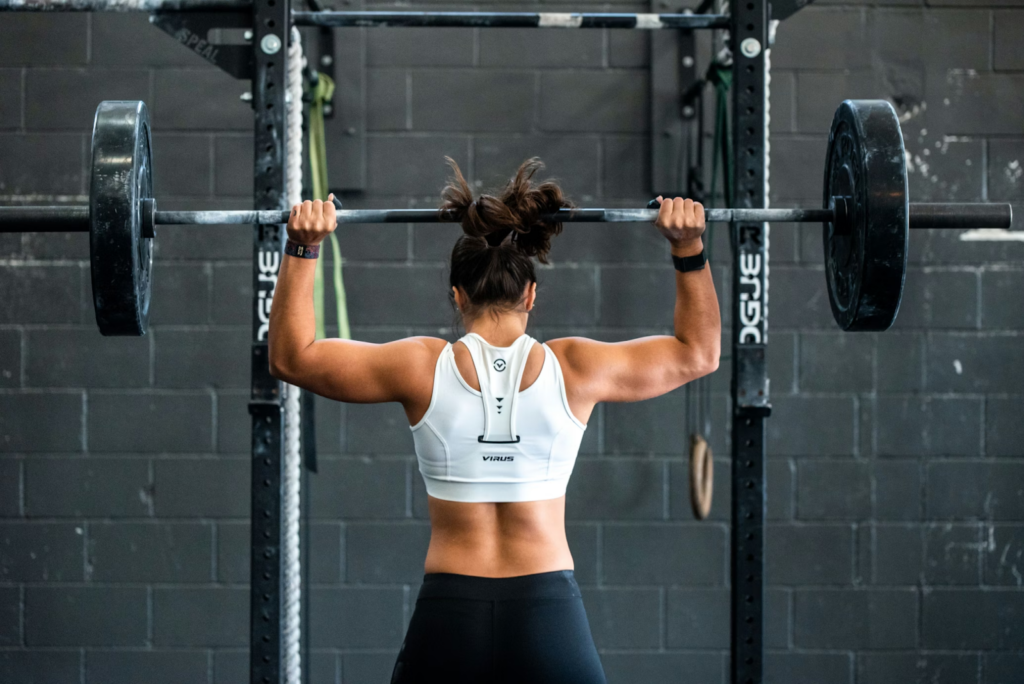
Think of your space in zones. Create distinct areas for strength training, cardio conditioning, and mobility work. This keeps things organized and reduces the chance of collisions during busy sessions.
Place heavy equipment like squat racks and rigs along walls or in corners. Keep the centre of the room open for dynamic exercises, group classes, or circuit training. Turf strips work well for sled pushes and lunges, while rubber flooring suits lifting areas.
Buffer zones between equipment stations are essential. Leave enough clearance so someone swinging a kettlebell does not endanger a person nearby.
Selecting the Right Flooring and Infrastructure
Flooring Options That Support High-Impact Training
Flooring might not be the most exciting topic, but it is one of the most important decisions you will make. The wrong flooring can lead to injuries, equipment damage, and noise complaints.
Rubber flooring is the gold standard for functional training spaces. It absorbs impact, protects subfloors, and provides grip during lateral movements. Choose a thickness of at least 15mm for general use and thicker options for dedicated lifting platforms.
Turf sections add variety and work well for agility drills, sled work, and crawling exercises. They also break up the visual monotony of an all-rubber floor.
Structural Elements to Consider
Beyond flooring, think about what you will mount on walls and ceilings. Pull-up rigs, suspension trainers, and climbing ropes all need secure anchor points. Make sure your structure can handle the load before installation.
Electrical outlets should be positioned for cardio machines, sound systems, and fans. Plan these early so you do not end up with cables running across the floor.
Choosing Equipment That Supports Diverse Training Goals
Foundational Strength and Conditioning Tools
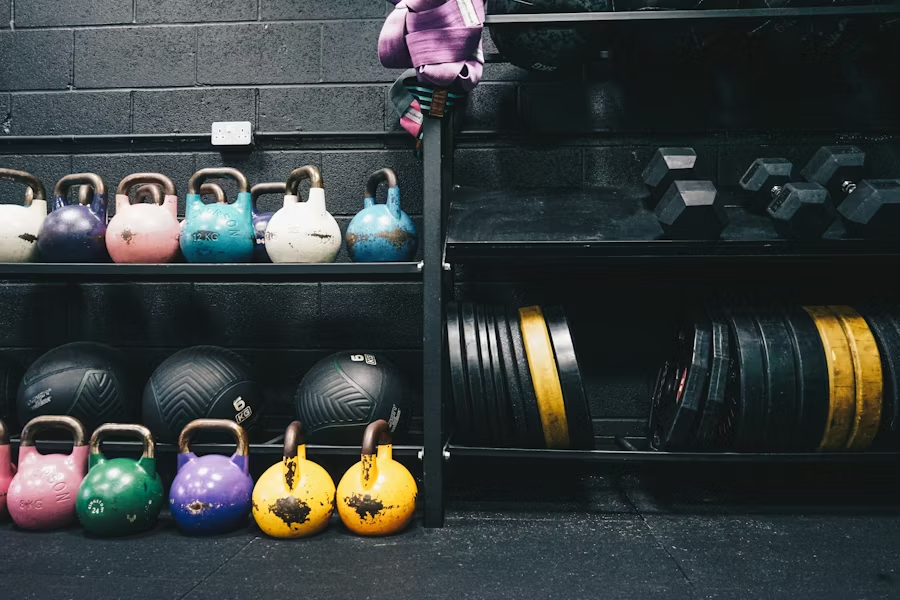
Start with the basics. Barbells, bumper plates, kettlebells, and dumbbells form the backbone of any functional training space. These tools are versatile, durable, and suitable for all fitness levels.
A quality squat rack or rig allows for squats, pull-ups, and barbell work in one station. Wall-mounted options save floor space if you are working with a smaller area.
Do not overlook mobility tools. Foam rollers, resistance bands, and lacrosse balls support warm-ups, recovery, and injury prevention.
Explosive Power and Metabolic Conditioning Gear
Functional training often includes explosive movements that build power and elevate heart rate. Medicine balls and weighted slam balls are perfect for this purpose.
For athletes or advanced users, heavier options like 25kg slam balls offer a serious challenge for power development and full-body conditioning. These are ideal for slams, throws, and carry variations that lighter equipment simply cannot replicate.
Plyo boxes, battle ropes, and rowing machines round out your conditioning toolkit. Having a variety of options keeps workouts fresh and allows trainers to program for different goals.
Safety Features and Ongoing Maintenance
Creating a Safe Training Environment
Safety should never be an afterthought. Ensure adequate spacing between all equipment stations. Floors should be non-slip, and lighting should be bright enough to see clearly in every corner.
Keep a first aid kit accessible and make sure staff know emergency procedures. Post clear signage about equipment usage and gym rules.
Maintaining Your Space for Longevity
Regular maintenance extends the life of your investment. Inspect equipment monthly for wear, loose bolts, or damage. Clean floors daily and deep clean weekly to prevent bacteria buildup.
Replace worn flooring tiles before they become tripping hazards. Listen to user feedback and address issues quickly. A well-maintained space shows professionalism and keeps members coming back.
Conclusion
Building a functional training environment takes thoughtful planning, quality materials, and attention to detail. From flooring and layout to equipment selection and safety measures, every decision shapes the user experience.
Invest in professional guidance during the planning phase and choose durable equipment that supports a range of training styles. When done right, your space will inspire great workouts and stand the test of time.
Frequently Asked Questions
What is the minimum space required for a functional training area?
For individual training, around 20 square metres works as a starting point. For group sessions, aim for at least 3 to 4 square metres per person to allow safe movement during dynamic exercises.
How do I choose equipment for different fitness levels?
Select equipment that scales easily. Adjustable dumbbells, kettlebells in various weights, and slam balls ranging from light to heavy allow beginners and advanced users to train in the same space.
What flooring is best for high-impact training?
Rubber flooring with a minimum thickness of 15mm is ideal. It absorbs shock, reduces noise, and provides a stable surface for lifting, jumping, and lateral movements.
How often should training equipment be inspected?
Conduct visual inspections monthly and check for loose parts, cracks, or wear. Schedule a professional review annually to ensure everything remains safe and functional.