

If you have ever watched a tied game with two minutes left and thought, “Why are both teams suddenly careful?”, you are not imagining it. Modern NHL overtime rules changed the incentives, and coaches adjusted in ways that are easy to miss if you only track the puck. In Canada, where hockey is both habit and headline, those incentives shape everything from how teams protect a point to how fans talk about “momentum” after regulation.
Overtime also stretches the game-night ecosystem, much like how ancillary industries around sports, such as betting and gaming platforms, shape fan engagement and broadcast dynamics. For a current expert breakdown of one of the online gambling options available to Canadians, see the comprehensive review at rg.org/en-ca/casinos/review/1xbet/, including its game offerings, bonus structure, payout practices, and regulatory context for Canadian players.
The interesting part is not that overtime exists. It is how each rule tweak quietly moved the tactics, and why late-game strategy today can look conservative in regulation and chaotic in extra time.
What Actually Changed In Overtime, And When?
The modern overtime story is a sequence of deliberate nudges, each meant to create a cleaner result than a tie.
First, the NHL introduced five-minute, sudden-death overtime for regular-season games in 1983-84. That gave teams a chance to win after regulation, but ties were still possible when nobody scored.
The next big pivot came in 1999-2000: overtime shifted to 4-on-4, and teams started earning a standings point for an overtime loss. The logic was simple. More open ice should create more goals, and the new points structure was intended to reduce ties, but it also increased the strategic value of reaching overtime.
In 2005-06, the league removed ties by adding the shootout after overtime. Then, in 2015-16, overtime became 3-on-3 in the regular season, aiming to end more games before the shootout.
This means overtime is not one “thing.” It is an evolving format, and each version rewards a different kind of risk management.
Why The Last Two Minutes Of Regulation Look So Cautious Now
Here is the uncomfortable truth about the standings: a game tied late in regulation is not just about winning. It is about not losing in regulation.
With a point available for an overtime or shootout loss, the final minutes of a tie can become a negotiation. Teams balance aggression against the very real cost of a single mistake. That is why you often see safer line changes, fewer stretch passes, and a preference for controlled entries that avoid odd-man rushes the other way.
This does not mean coaches tell players to “settle for overtime.” It means the math is always in the room. If you are a Canadian fan watching a tight Atlantic Division race in March, you are watching teams manage an incentive structure as much as a scoreboard.
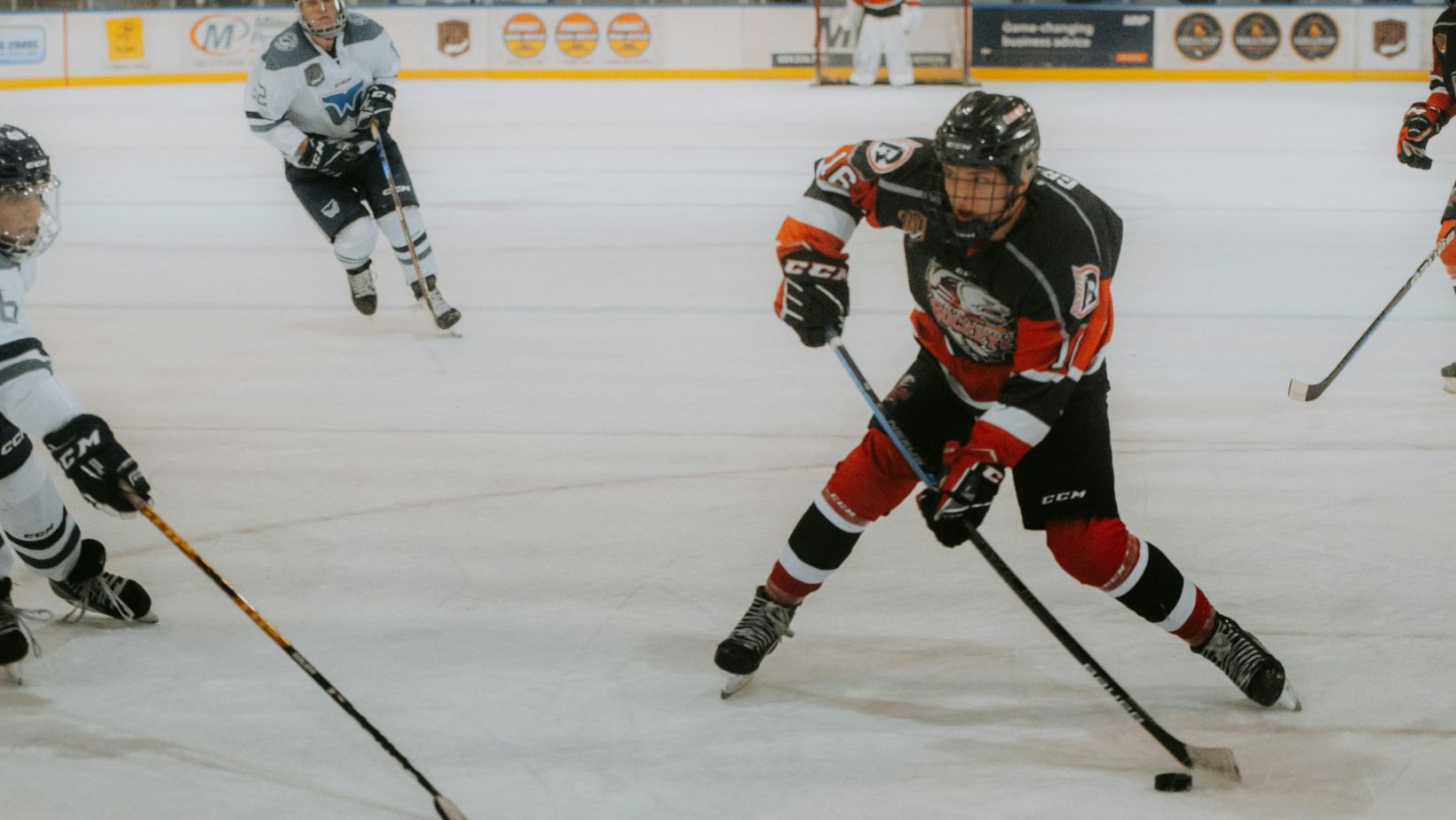
A practical way to spot it: if both teams are dumping pucks into safe corners and quickly retreating into structure, they are protecting the regulation result. This means the game has shifted from creation to preservation, at least until someone forces a mistake.
Three-On-Three Made Possession The Premium Currency
When regular-season overtime became 3-on-3, the ice opened up in a way that changed what “safe hockey” looks like. In regulation, a safe play can be a dump-in that lets you change. In 3-on-3, a dump-in can become a turnover, and a turnover can become a breakaway-level chance within two passes.
That is why modern overtime often includes regrouping. Teams will circle back, reset, and wait for a clean entry rather than throw the puck away. Fans sometimes read this as passive. Tactically, it is the opposite: teams are choosing the moment to attack because one mistake can end the game.
Watch for two specific coaching priorities:
- Changing with the puck. Smart line changes happen when a team has controlled possession and can retreat safely.
- Avoiding “dead” shots. A low-percentage shot that misses the net can act like a turnover and fuel an odd-man rush.
The micro takeaway is simple: in 3-on-3, patience is often aggression in disguise.
The Shootout Changed What Coaches Value In Overtime
The shootout did not only remove ties. It also changed how teams approach the five minutes before it.
If you believe your roster has an edge in the shootout, you may value “getting there” more than taking a risky chance that could lose the game in overtime. If you believe you are at a disadvantage, you may push harder in overtime to end it first.
This shows up in small decisions that fans can actually see. Some teams deploy their most reliable puck protectors early in overtime to control tempo. Others lead with pure speed to force a quick chance before both sides settle into patient possession.
It also changes player value in subtle ways. A third-line winger who can reliably win faceoffs, protect the puck, and get off safely becomes more important in overtime than their regular-season points might suggest. In the standings race, those small skills can create extra points over months.
This means overtime strategy is partly roster-driven, not purely philosophical.
Playoff Overtime Feels Different Because It Still Runs On Old Rules
Canadian fans often say playoff overtime “feels like real hockey.” Part of that is emotion. Part of it is format.
In the Stanley Cup playoffs there is no shootout. Overtime is played in full 20-minute sudden-death periods at even strength when no penalties are being served, continuing until someone scores. The game can stretch, the bench can tighten, and a single bad change can decide a night.
That format changes behaviour immediately. Teams cannot “wait for the shootout.” They also cannot play a five-minute sprint and hope variance breaks their way. They have to manage fatigue, matchups, and mistakes over a longer horizon.
The result is a different kind of tension. Regular-season overtime is a high-wire act. Playoff overtime is a pressure cooker that slowly turns.
So when a Canadian arena gets quiet in the first overtime intermission, that is not confusion. It is everyone realizing the night might not be close to finished.
A Fan’s Quick Guide To Reading Late-Game Intent
If you want to understand overtime without overcomplicating it, use a simple checklist in the final five minutes and the first minute of OT.
- Are teams trading safe possessions? If yes, they are protecting the regulation point.
- Who is taking the first overtime faceoff? Coaches often show their plan in the first deployment.
- Do you see regrouping immediately? That usually signals a possession-first mindset.
- How are line changes handled? Clean changes with the puck are a sign the team is calm and organized.
This is the point of the whole overtime evolution: rules change behaviour, behaviour changes what you should watch for, and overtime becomes easier to read once you know what the incentives reward.
In the end, Canada’s “overtime problem” is not that overtime is broken. It is that overtime is different now, and late-game hockey makes more sense when you stop judging it like it is still 1995.