

Before the internet, shared experiences followed a schedule. Families gathered around radios or televisions at set times. These habits created a rhythm that connected people to something larger than their own household.
That rhythm has changed. People no longer wait for programs to begin. Streaming services, messaging apps, and online games are available at any moment. Having more control hasn’t removed the desire to connect. People still seek out others and find new ways to engage.
Digital platforms now serve as commons. They exist not as physical spaces but as digital environments shaped by those who use them. Whether the activity is learning, play, or conversation, the purpose stays the same. People want to explore and share experiences.
From Broadcast to Shared Screens
This shift began with cable television and expanded with the advent of internet access. On-demand streaming allowed viewers to choose what to watch and when. But even with more choice, people continued to look for shared experiences.
Livestreams, chatrooms, and comment threads offered new ways to connect. Viewers no longer needed to watch the same show at the same time. They formed smaller communities based on creators and interests. These groups did more than follow content. They shaped it. Creators adjusted their work based on feedback. Audiences helped influence the final product. Watching became a form of participation.
Games as Gathering Places
Online games now serve as digital meeting points. In platforms like Minecraft or Roblox, players build together, solve problems, and take part in live events. These experiences often feel more like public gatherings than solo entertainment. The focus is on being with others, not just finishing levels.
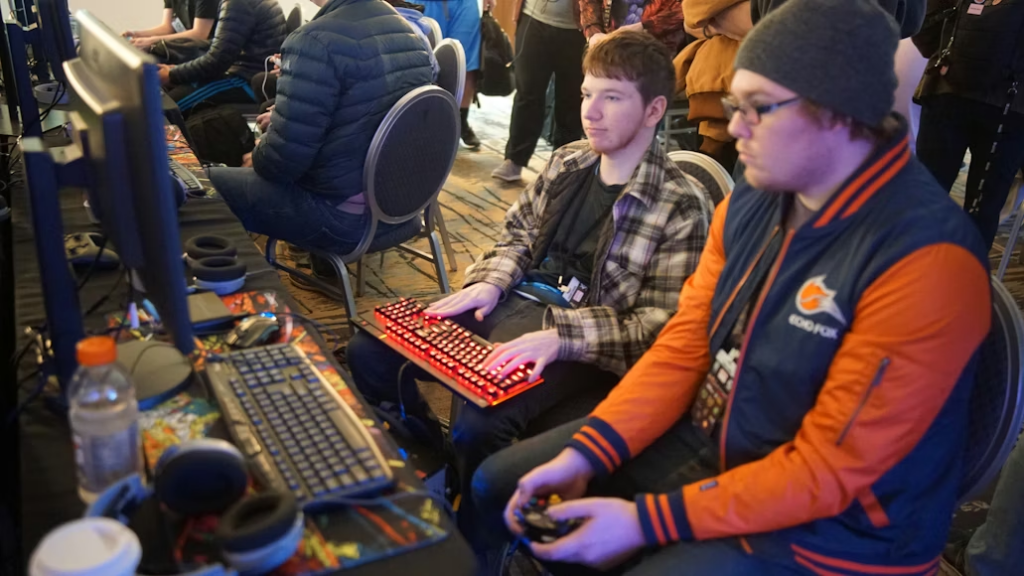
Some games host live moments that bring people together in real time. A virtual concert or in-game event can draw large crowds. Players join not only for the gameplay but to share something with others.
In many Arabic-speaking regions, browser-based games have lowered barriers to entry by eliminating the need for downloads or upfront payments. These platforms sometimes include interface labels or prompts that guide users through the experience. Phrases like “Click here to play no-deposit bonuses” appear in the user interface, indicating that people can try certain features without a financial commitment. This approach encourages exploration and makes these spaces more accessible to those unfamiliar with the format.
This kind of access helps new users get involved. They can observe at first, then gradually take part. Many of these games emphasize collaboration over competition. The goal is often to build relationships rather than win.
Learning Together Online
Online learning extends far beyond formal classrooms. People join video calls, follow tutorials, and collaborate on shared projects. They ask questions, offer feedback, and support each other in problem-solving.
These spaces grow through contribution. A helpful reply or thoughtful suggestion can turn a quiet observer into an active participant. Over time, those small interactions build a stronger sense of connection. Everyone brings something to the table, and everyone is there to learn.
Even when the setting doesn’t resemble a traditional classroom, the principle stays the same. People gather to understand new things together.
Culture Through Participation
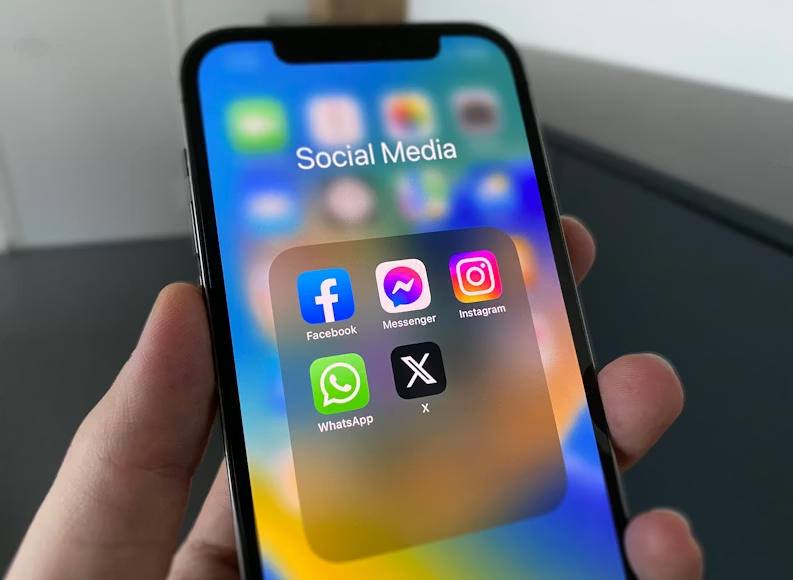
While algorithms help decide what appears in our feeds, some moments are spread by choice. A joke, a video, or a phrase shows up across platforms because people choose to share it. One person reacts. Another adds to it. Someone else reshapes it. These layers of response turn small actions into cultural moments.
Most people do more than scroll. They comment, remix, and repost. These actions affect what others see next. Culture forms through interaction, not direction.
The commons appears wherever people contribute and respond. It takes shape in how people engage, not where they gather.
The Value of Digital Commons
The digital commons does not belong to a single site or platform. It forms when people bring focus and effort to shared spaces. A spreadsheet, a multiplayer game, or a group chat becomes more than a tool when people invest in it.
These moments don’t need to last long. A kind message, a helpful comment, or a short exchange can create a lasting impression. What matters is what happens in the moment.
Media habits from the past continue to shape how people seek connection today. The desire to belong hasn’t faded. It has simply moved into new forms. Wherever people come together with intention, the commons continues to grow.