

Many companies are moving toward cleaner power because it helps lower costs and supports long-term growth. Rising utility rates and higher customer expectations make it important to rely on solutions that are stable and efficient. The clean energy transition also helps companies stay competitive as renewable energy sources become more common across different industries. These changes open the door to better planning and more reliable operations.
Understanding how clean energy supports profitability helps businesses make smarter choices for the future.
Lower Daily Costs Through Better Energy Use
Clean energy often helps businesses lower their regular expenses. Solar power, LED lighting, and modern heating and cooling systems use less electricity than older equipment. These upgrades improve energy efficiency and bring down monthly utility bills. This gives companies more room in their budgets for new investments or day-to-day needs.
For example, a local shop that switches to solar power can reduce its electricity bill enough to save thousands of dollars over the course of a year. These savings make a difference, especially for small businesses. Many renewable power systems also last longer and need fewer repairs, so companies avoid frequent maintenance costs.
A clean energy solutions company can guide businesses through the process of choosing the right systems and finding the most practical upgrades for their operations. Support from the right partner helps companies move forward with confidence and maximize their savings.
More Protection From Rising Energy Prices
Traditional electricity prices can change with little warning. Businesses that rely only on the grid face higher risks when prices spike. Companies that produce some of their own energy through solar power, wind power, or other renewable energy sources gain more control over their costs. This stability improves energy security and helps protect profits over time.
Greater stability also supports better planning. A company that depends on a small solar array or a community solar farm can predict its energy spending more accurately. Some locations even let businesses sell extra energy back to the grid, which brings in additional revenue. A steady income stream like that strengthens long-term financial health.
Energy independence is another major advantage. When companies generate part of their own electricity, they aren’t as vulnerable to sudden changes in utility prices or supply issues.
Stronger Customer Trust and a Better Brand Image
Customers care about sustainability and want to support companies that take responsibility for their energy use. A business that invests in renewable power often earns more trust and stands out from competitors. These efforts also support climate change mitigation, which many customers value when choosing where to shop or whom to support.
A hotel that uses solar power or wind energy may attract travelers who prefer sustainable lodging. A restaurant that upgrades to energy-efficient kitchen equipment shows customers it’s trying to reduce carbon footprint waste. Even businesses that use electric vehicles for deliveries can create a positive impression by lowering emissions.
Employees appreciate these efforts too. Many workers want to join companies that follow strong climate policies and care about their long-term impact. When employees feel proud of where they work, productivity and retention tend to improve.
Support Through Government Programs
Many governments offer incentives to encourage companies to join the clean energy transition. These programs may include tax credits, rebates, grants, or low-interest loans. This support helps businesses afford upgrades such as solar power systems, wind energy equipment, or high-efficiency HVAC units.
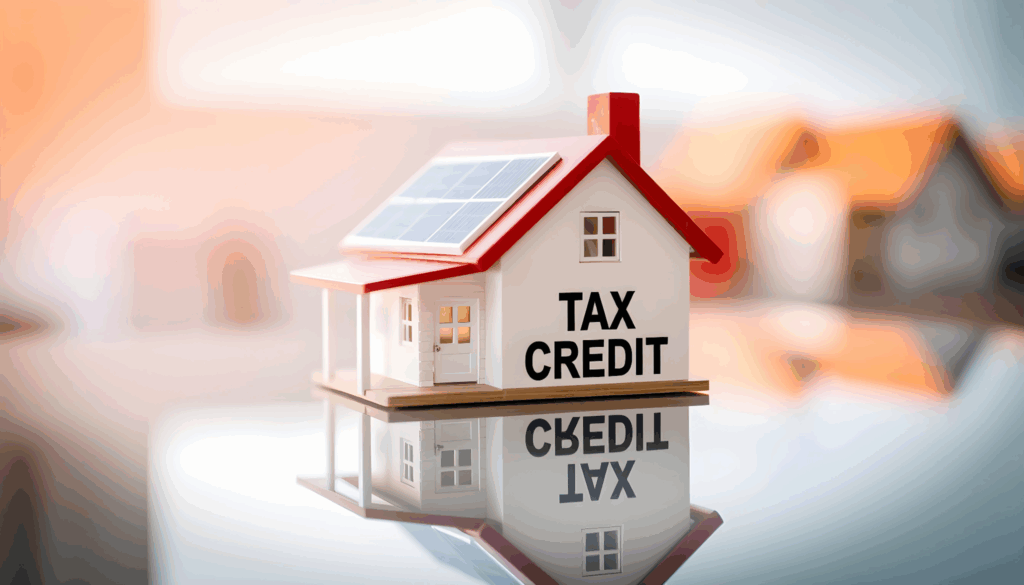
A company that installs rooftop solar may qualify for a tax credit that reduces installation expenses. Another business could receive a rebate after upgrading to energy-efficient machinery. These incentives help businesses recover their investments more quickly and experience the benefits right away.
Government support often reflects a broader push for stronger climate policies and more sustainable energy production. Businesses that act early often gain the most advantages from these programs.
Improved Reliability and Fewer Disruptions
Clean energy systems paired with battery storage give businesses more dependable power. This matters during electrical outages or unexpected grid problems. A reliable system with backup power helps companies keep operations running when the grid fails.
Industries like healthcare, retail, and manufacturing depend on steady power. A clinic can’t risk equipment shutting down. A grocery store can’t afford to lose refrigerated goods. Reliable backup power helps prevent costly disruptions and protects customer trust.
Energy storage also increases resilience. When extra power is available, businesses can continue serving customers during storms or emergencies without major interruptions.
A Path to Innovation and Long-Term Growth
Clean energy often encourages companies to explore new solutions. When businesses upgrade their systems, they usually try new tools that improve energy efficiency and streamline operations. This leads to better products, faster processes, and fresh ideas that support long-term growth.
Companies that stay updated with renewable energy sources tend to stay ahead of their competitors. They adapt more easily, respond to customer needs faster, and stay compliant with changing climate policies. As a result, these companies maintain stronger market positions.
Although clean energy systems require an initial investment, the long-term benefits often outweigh the upfront cost. Savings from lower energy bills, improved reliability, and better customer support all contribute to higher profits over time.
Conclusion
Clean energy gives businesses a clear path to higher profits and stronger stability. It lowers daily expenses, protects companies from unpredictable energy prices, and improves customer trust. It also encourages innovation and provides more reliable operations through backup power and smarter energy production. As the clean energy transition continues, businesses that invest early gain a long-lasting advantage. Clean energy supports both financial growth and a healthier future for communities and the environment.