
Science fiction films of the 1980s presented a future with some similarities to our present. From the realistic animations on billboards in major cities to homes dominated by electronics (what we now call home automation). But there was no sign of flying cars or sophisticated robots acting as butlers—at least not yet.
A journey through history
However, those brilliant screenwriters couldn’t have predicted the enormous importance that mobile phones (specifically, smartphones) would have in our lives. These small devices have become the quintessential personal tool.
It’s no longer just about talking on the phone; its uses have expanded to many other areas. From social media to financial and administrative procedures, and the vast majority of digital leisure activities. If we could travel back in time and explain this to the people of that decade, they would laugh at us.
It was hardly easy to imagine back then that the enormous and cumbersome models of the time would transform into the devices we see today, with all their useful functions. Interestingly, it wouldn’t surprise them so much if we were talking about virtual reality headsets or glasses that incorporate digital information.
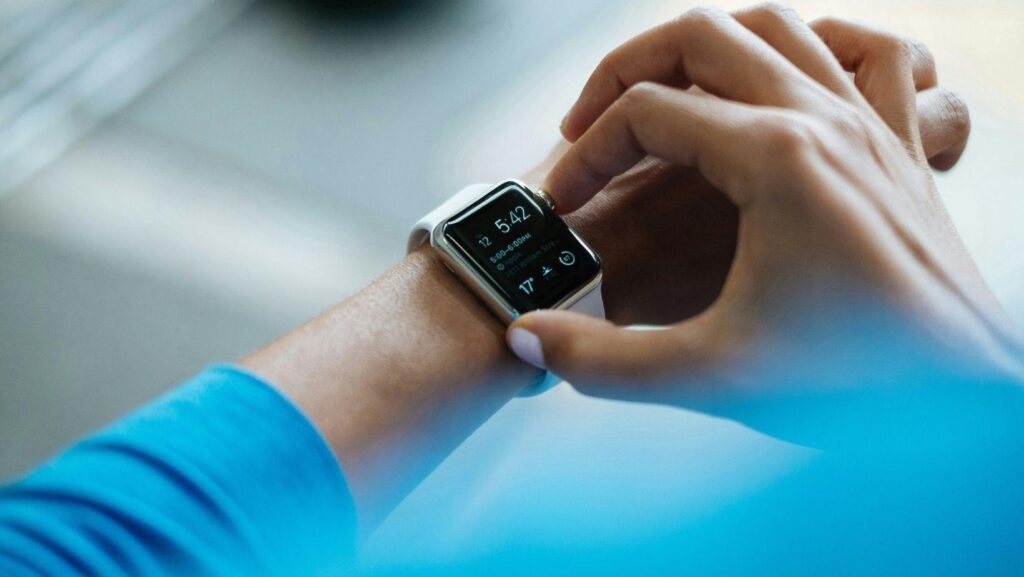
Yes, indeed, we’re referring to wearable technology. And some models already existed in the 1980s, such as calculator watches; of course, they had little to do with today’s smartwatches, which give us information about our sports workouts, notify us of incoming messages, or allow us to pay in stores.
Imagining the future
We have something in common with the inhabitants of that decade: today, in 2026, we continue to imagine the future surrounded by these devices. Smartwatches, digital rings, clothing that allows us to scan our bodies, smart shoes, and so many other gadgets. Some things never change.
But will our lives be like this in 10 years? There are all sorts of opinions on this. One of the most influential voices in the tech world, Mark Zuckerberg, stated some time ago that augmented reality glasses would replace smartphones in the medium term. Tim Cook shares a similar viewpoint.
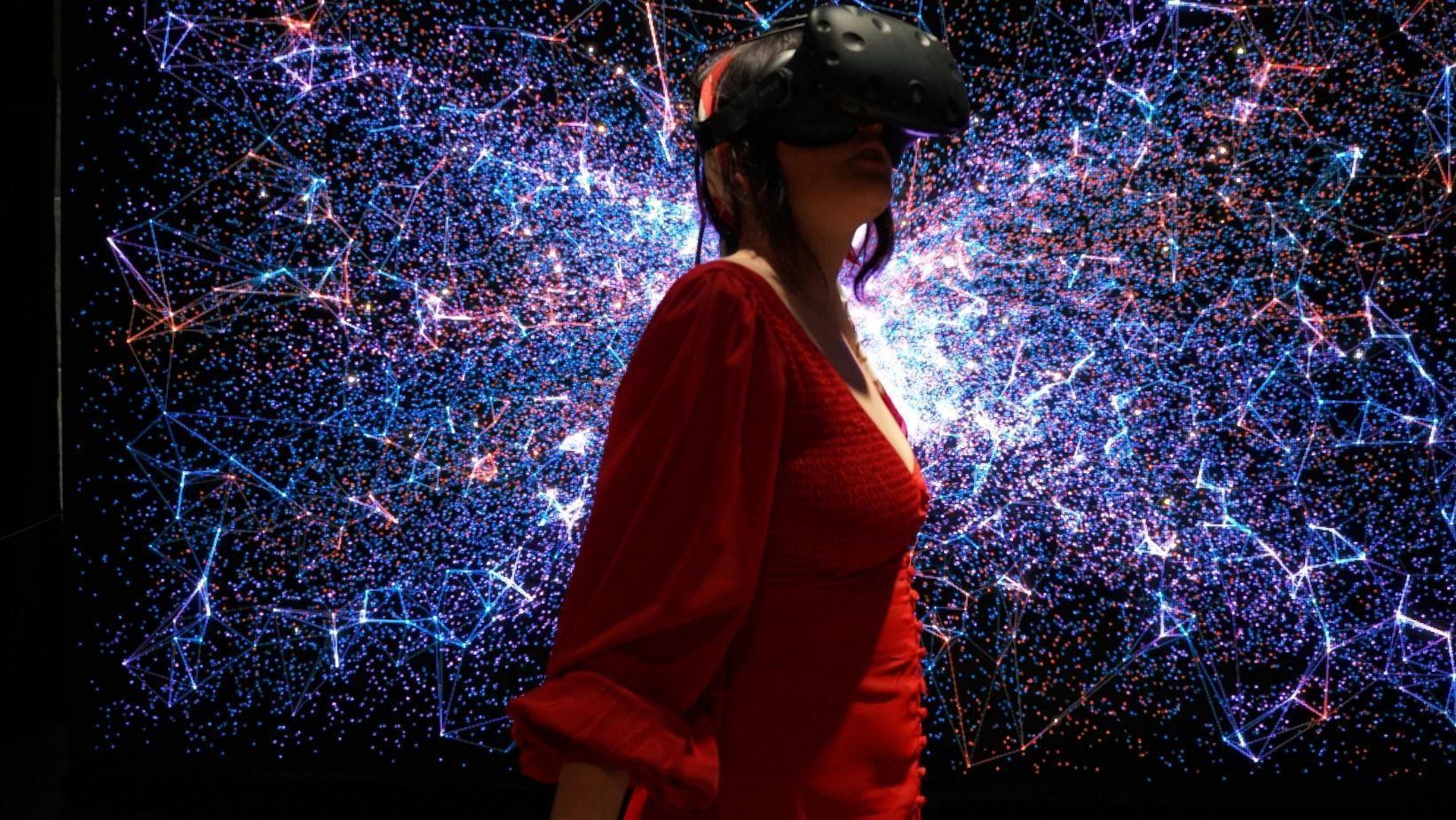
Apple’s CEO also believes that these types of immersive environments will become increasingly important in the daily lives of modern society. And the truth is, although their presence is still limited, augmented reality represents a future very similar to what we might have historically imagined.
From real-time information and constant connectivity to social media, to the most innovative video games and the new generation of online slots, among many other examples. And for all of this, accessories that allow us to immerse ourselves in these environments will be necessary. Once again, we return to wearables, such as smart glasses.
Wearables for everyone (or not)
So, how many devices will we have to plug in when we get home? Glasses, headphones, and smartphone? Or also our belt, shoes, t-shirt, and all our other clothes? The integration of wearables into the fashion we use and our lifestyle is still a mystery.
In fact, Google’s first smart glasses model was a complete flop. Perhaps 2012 wasn’t the right time to launch them. Or maybe the blame lay with their extravagant design and high price. But others point to the limited usefulness of the features they included.
To this day, several of these problems remain unresolved in newer models from other brands. Their aesthetics are much more modern, but the price is still high. And not all the features are practical or necessary (although the integrated artificial intelligence is perceived as an essential element).
It’s not that easy
Currently, one of the biggest challenges facing companies like Apple and Meta is miniaturizing the technology to integrate the most innovative features into ergonomic and attractive devices. Without overcoming this obstacle, wearables will remain as outlandish as the prototypes of the 1980s.
Another major concern is public perception. We’ve already discussed the failure of Google Glass. Investing hundreds of millions to develop an AI-powered pendant that perhaps few users will buy represents a significant blow for any company. But, of course, it’s very difficult to anticipate societal preferences.
There is general consensus that wearables will play a more prominent role in our lives in the medium term. Predicting what they will be like and how they will integrate into our routines is more complex. Despite the enormous power of large technology companies, it is ultimately the consumers who decide what is useful for them, what suits their style, and, in short, what they like. The rest will remain science fiction.