
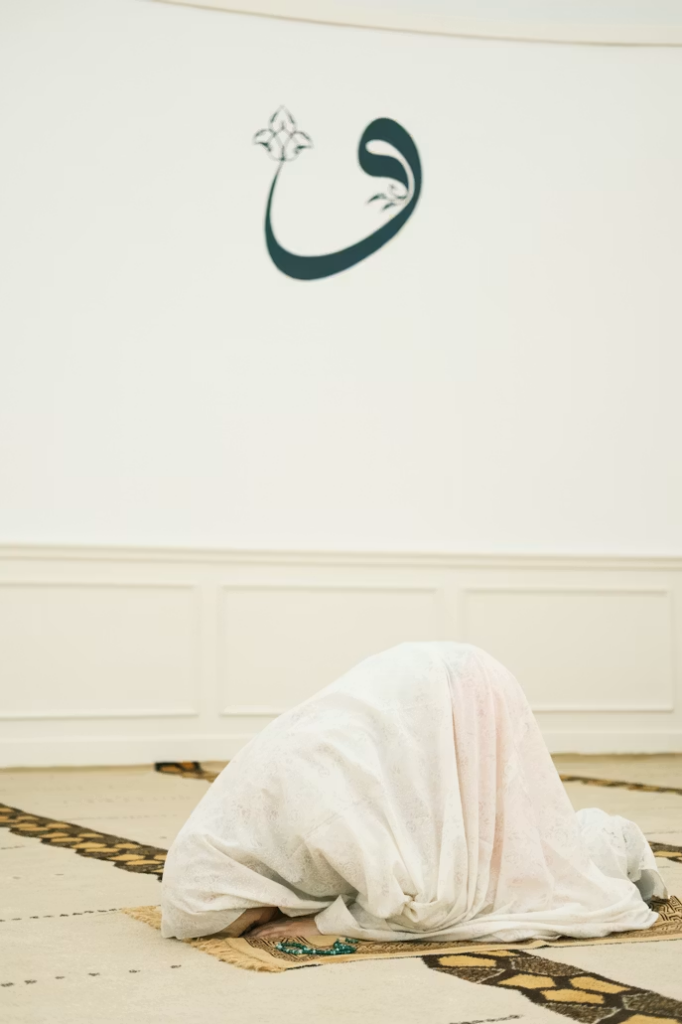
The Day of Arafah stands as one of the most sacred days in the Islamic calendar. Falling on the 9th of Dhul Hijjah, it is the spiritual heart of Hajj — but its blessings extend far beyond the plains of Arafah to every Muslim around the world. The Prophet Muhammad (ﷺ) said: “There is no day on which Allah frees more people from the Fire than the Day of Arafah.” For those not performing Hajj, fasting and sincere supplication are the greatest acts of worship on this day.
Knowing the duas for the Day of Arafah is one of the best ways to prepare. This guide brings together the most important supplications, their Arabic text, transliterations, and meanings — so you can spend the day in focused, heartfelt worship.
The Most Virtuous Dua of Arafah
The Prophet (ﷺ) said the best dua on the Day of Arafah is:
Arabic: لَا إِلَهَ إِلَّا اللهُ وَحْدَهُ لَا شَرِيكَ لَهُ، لَهُ الْمُلْكُ وَلَهُ الْحَمْدُ وَهُوَ عَلَى كُلِّ شَيْءٍ قَدِيرٌ
Transliteration: Lā ilāha illallāhu waḥdahu lā sharīka lah, lahul-mulku wa lahul-ḥamdu wa huwa ʿalā kulli shayʾin qadīr
Meaning: “There is no god but Allah, alone, with no partner. To Him belongs all dominion and all praise, and He has power over all things.”
This is not merely a dua — it is a declaration of Tawhid, the absolute oneness of Allah. Repeat it abundantly throughout the day, especially in the afternoon hours before Maghrib.
Dua for Forgiveness and Mercy
Arabic: اللَّهُمَّ إِنَّكَ عَفُوٌّ كَرِيمٌ تُحِبُّ الْعَفْوَ فَاعْفُ عَنِّي
Transliteration: Allāhumma innaka ʿafuwwun karīmun tuḥibbul-ʿafwa faʿfu ʿannī
Meaning: “O Allah, You are Pardoning and Generous; You love to pardon, so pardon me.”
Originally taught by the Prophet (ﷺ) for Laylatul Qadr, this dua is equally beloved on Arafah — both are nights and days of immense divine mercy. Keep it on your lips as a constant refrain.
Dua for Guidance and Gratitude
Arabic: اللَّهُمَّ لَكَ الْحَمْدُ كَالَّذِي نَقُولُ وَخَيْرًا مِمَّا نَقُولُ
Transliteration: Allāhumma lakal-ḥamdu kalladhī naqūlu wa khayran mimmā naqūl
Meaning: “O Allah, to You belongs all praise as we say, and better than what we say.”
This dua is a reminder that our words can never truly capture the greatness of Allah. Beginning your day of supplication with gratitude opens the heart for everything that follows.
Personal Dua: Speak to Allah in Your Own Words
One of the most overlooked aspects of Arafah is the permission — indeed the encouragement — to ask Allah for anything and everything. The scholars of Islam are united on this: Arafah is the day when the gates of acceptance are wide open.
Ask for:
- Health and wellbeing for yourself and your family
- Guidance on a decision weighing on your heart
- Forgiveness for specific sins you carry
- Ease in hardship — financial, emotional, or relational
- Goodness in this life and the next
You do not need perfect Arabic. Sincerity matters more than eloquence.
Recitation and Dhikr to Pair with Your Duas
Alongside your supplications, the Day of Arafah is a time for abundant recitation. Many scholars recommend:
- Surah Al-Ikhlas — a declaration of Allah’s oneness, each recitation carrying immense reward
- Salawat upon the Prophet (ﷺ) — sending blessings that are returned tenfold
- Tahlil, Tahmid, and Takbir — the foundational phrases of Islamic remembrance
It is also worth reflecting on the benefits of Surah Al-Fatiha during this blessed day. Known as Umm al-Kitab — the Mother of the Book — Surah Al-Fatiha is a complete dua in itself. It opens with praise, acknowledges Allah’s sovereignty, and closes with a direct request for guidance to the straight path. Reciting it with presence of mind on Arafah transforms a daily act of worship into a profound supplication.
How to Structure Your Day of Arafah
For those not on Hajj, here is a simple framework:
|
Time |
Practice |
|
Fajr |
Begin with intention; recite morning adhkar |
|
Morning |
Recite Quran and offer voluntary prayers |
|
Midday–Asr |
Peak supplication window — focus here |
|
Asr–Maghrib |
The most powerful hours; repeat the dua of Arafah continuously |
|
After Maghrib |
Break fast (if fasting); offer gratitude |
A Day That Comes Once a Year
The Day of Arafah does not wait. It arrives on the 9th of Dhul Hijjah, offers its extraordinary mercy, and passes. Whether you are standing on the plain of Arafah among millions of pilgrims or sitting quietly at home, the duas for the Day of Arafah carry the same weight before Allah — because sincerity has no postcode.
Prepare your duas in advance. Set aside the afternoon. Turn away from distraction. This is one of the rare days where a few hours of worship can reshape the year — and perhaps a lifetime — ahead.